Author: PERFUMESTORY

  • Best Arabic Perfumes for Winter: Warm Picks for UK Weather

    Best Arabic Perfumes for Winter: Warm Picks for UK Weather

    As the clocks go back and the radiators come on, lighter summer scents can start to feel thin. Arabic perfumes tend to shine in the cold, because they are often built around rich, warm ingredients such as spice, amber, vanilla, tobacco and oud. This guide explains why they work in winter, which scent styles to look for, how to wear them in British weather, and a starter shortlist from our shop.

    The quick answer

    The best winter Arabic perfumes lean warm and sweet or smoky: spiced gourmands, amber and oud blends, tobacco and incense, and creamy vanilla. If you want one place to start, the Khamrah family is the obvious choice for sweet-spice fans, and Oud Mood is a gentle introduction to oud. Below, we group picks by style so you can match them to your taste.

    How we wrote this: we describe styles using publicly listed notes and our own shop categories, and we summarise what wearers commonly report. Skin chemistry and weather vary, so treat this as a shortlist rather than a guarantee.

    Why Arabic perfumes suit winter

    Cold air generally slows how quickly fragrance evaporates, so lighter, citrus-led scents can feel quieter outdoors. Heavier base notes, such as resins, vanilla and woods, tend to hold up better, and these are common in Arabic perfumery. Many are also sold as eau de parfum, a stronger concentration than eau de toilette; our plain-English guide to perfume concentrations explains the difference.

    Five winter scent styles, and where to start

    1. Sweet spice and gourmand

    Think cinnamon, praline, dates and vanilla, like a warm dessert. The Khamrah range is the best-known example: the original is sweet and spiced, and Khamrah Qahwa adds cardamom and a mellow coffee note. Our Khamrah comparison helps you choose between them. For a warm, caramel-leaning fragrance often chosen by women, see Yara Moi in our Yara guide.
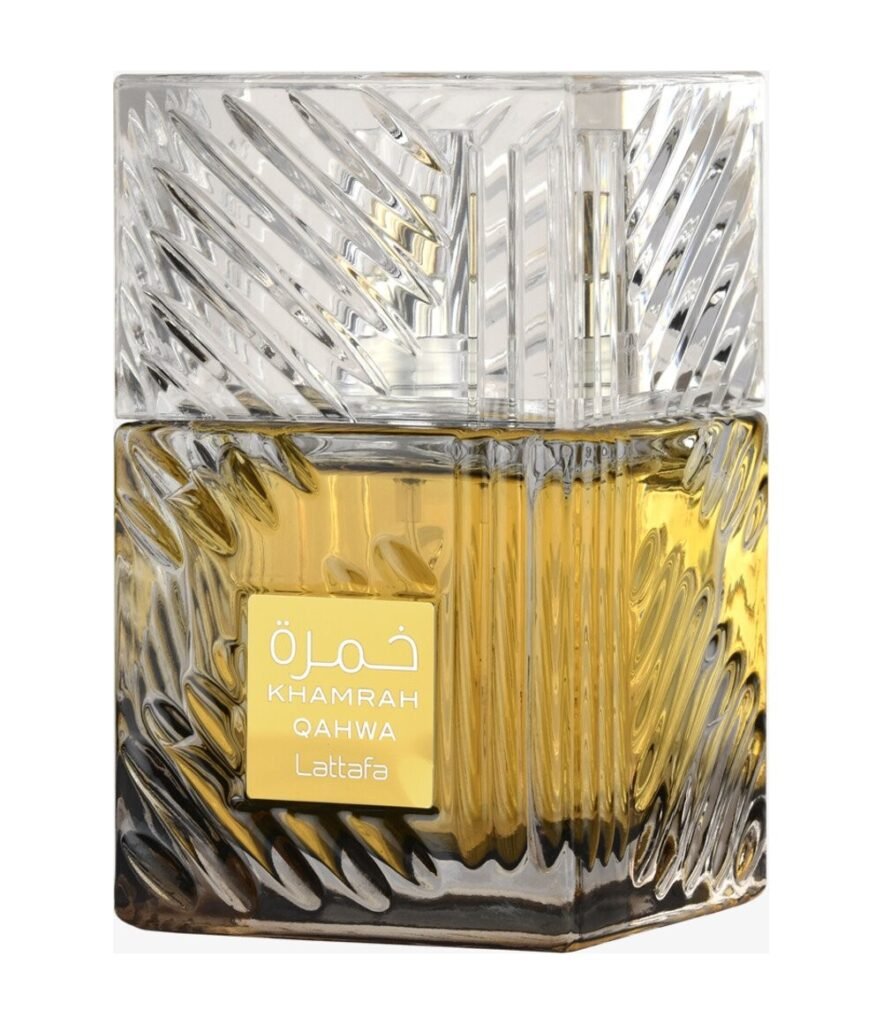
    Khamrah Qahwa by Lattafa 100ml Eau de Parfum bottle
    Khamrah Qahwa: spiced, sweet and warm.

    2. Smoky tobacco and incense

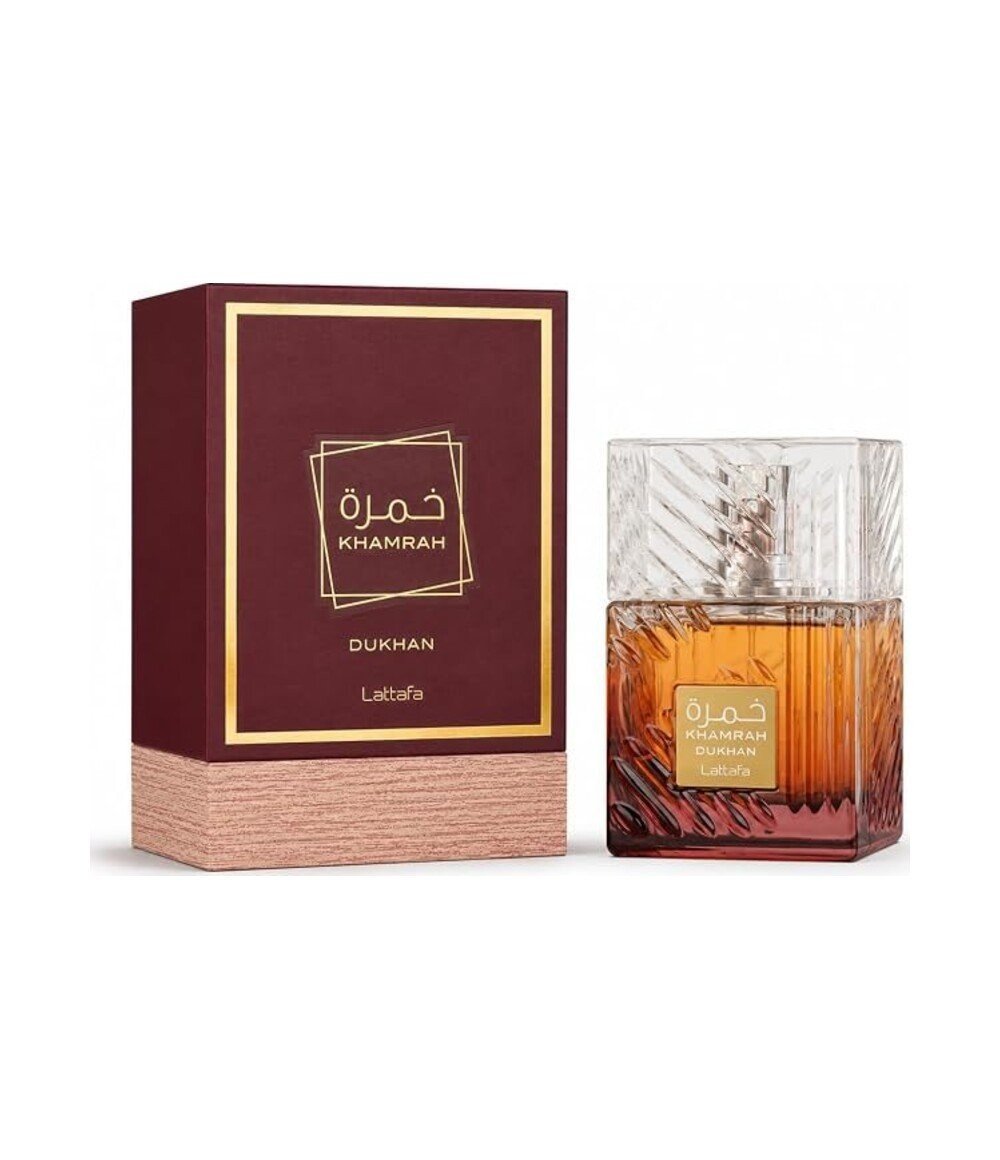
    These are darker and more resinous, with tobacco, incense or leather. Khamrah Dukhan and Asad Bourbon are two good starting points, and both appear in our best Lattafa perfumes for men guide, though they are not only for men.

    3. Oud and amber

    Oud is a dark, resinous wood note, and amber is a warm, glowing, slightly sweet accord. Together they define classic Arabian perfumery. Oud Mood sits in our Amber & Oriental family and is one of the more affordable ways in. Browse more in the full Amber & Oriental range, or try one of the Badee Al Oud bottles if you want to go deeper on oud.
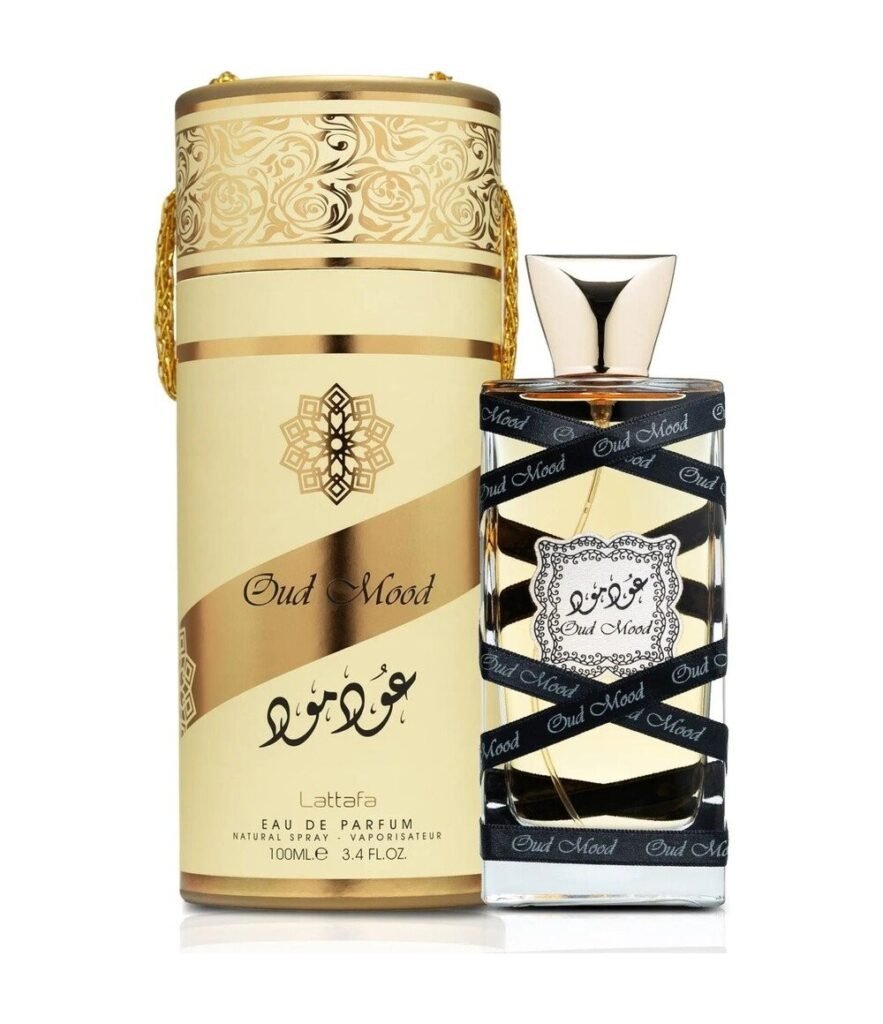
    Oud Mood by Lattafa 100ml Eau de Parfum bottle
    Oud Mood: an accessible route into oud.

    4. Creamy vanilla

    Vanilla is the ultimate comfort note for cold weather. Across our houses, French Avenue Zenith Vanilla is one vanilla-named option, and our shop also stocks vanilla-led bottles from Khadlaj and Bujairami. Read each listing for the details, since vanilla can be soft and milky or rich and boozy.

    5. Spiced coffee

    A little roasted warmth feels right when it is dark by five. Khamrah Qahwa is the main pick here, with the coffee kept soft and sweet rather than bitter.

    A quick picker

    If you like… Look for… Try
    Desserts and spice Sweet spice and gourmand Khamrah, Khamrah Qahwa
    Smoke and tobacco Smoky, resinous Khamrah Dukhan, Asad Bourbon
    Classic Arabian depth Oud and amber Oud Mood, Badee Al Oud
    Cosy and soft Creamy vanilla Zenith Vanilla and other vanilla options

    How to wear heavy scents in British winter

    • Moisturise first. Many fragrance fans find that fragrance clings better to well-moisturised skin than to dry winter skin. Use an unscented lotion.
    • Use fewer sprays indoors. Central heating and crowded trains can make rich scents feel stronger, so two or three sprays is usually enough.
    • Target warm points. Neck, chest and inner wrists work well. A light mist on a scarf or coat collar can help, but test a hidden patch of fabric first.
    • Mind the office. Keep gourmand and oud scents on the lighter side in shared spaces.

    Storing your bottles in winter

    Heat and light are the enemies even when it is cold outside. Keep bottles away from radiators and windowsills, and use the box or a cool drawer. Our guide to storing perfume properly covers it in detail.

    Buying for Christmas?

    Rich, warm fragrances make popular winter gifts. Before you buy, read our guide to choosing a fragrance gift, which covers safe picks, sizes and what to do if it is not a match.

    Frequently asked questions

    What is the best Arabic perfume for winter?

    There is no single best, but warm styles such as spiced gourmands, amber and oud, smoky tobacco and vanilla tend to suit cold weather. Khamrah is a popular starting point.

    Are Arabic perfumes strong?

    Many are rich and long-lasting, especially eau de parfum and extrait concentrations, so start with fewer sprays than you think you need.

    Can I wear these in summer?

    Some can work on cooler days or evenings, but heavy gourmands and oud can feel overwhelming in heat. Use fewer sprays.

    Do women wear oud and tobacco scents?

    Absolutely. Many of these fragrances are unisex, and scent has no gender rule.

    Ready to explore?

    Browse the full Lattafa collection, or start with Oud Mood.
  • Best Lattafa Perfumes for Men: 6 Picks for Every Occasion

    Best Lattafa Perfumes for Men: 6 Picks for Every Occasion

    Lattafa has hundreds of fragrances, which makes picking one daunting. This guide narrows it to six options men commonly look for, from a fresh daytime scent to a smoky winter one, with honest notes on what each is like and who it suits. All six are 100ml and sit under £25 in our shop at the time of writing.

    The quick answer

    If you want one bottle that works almost anywhere, start with Fakhar for fresh, aromatic days or Asad for warm, spicy evenings. Want something smokier for the cold? Try Khamrah Dukhan. New to oud? Oud Mood is a sensible introduction.

    How we wrote this: note lists come from publicly listed information, and where we do not quote notes we describe the style using our own shop categories instead. Impressions summarise what wearers commonly report. Skin chemistry varies, so use this as a shortlist rather than a guarantee.

    At a glance

    Fragrance Style Best for Price*
    Fakhar Fresh, aromatic, fougere-style Daytime, office, spring and autumn £18.99
    Asad Warm, spicy, tobacco-and-amber Evenings and cooler weather £18.99
    Khamrah Dukhan Smoky, sweet, resinous Winter evenings £21.99
    Asad Bourbon Leather and tobacco family Fans of Asad who want a tobacco angle £18.99
    Oud Mood Amber and oriental, oud-led Easing into oud £16.99
    Fakhar Extrait Amber and oriental, extrait concentration Fakhar fans wanting something richer £18.99

    *Prices are correct at the time of writing (October 2026). Please check each product page for today’s price.

    1. Fakhar: the fresh everyday pick

    Public note lists for the standard Fakhar show apple, ginger and bergamot at the top, sage, juniper berries, lavender and geranium in the heart, and a base of amberwood, tonka bean, vetiver and cedar. That reads as a crisp, aromatic and slightly sweet scent, and it is the easiest of the six to wear to work. Lattafa makes several Fakhar bottles with different personalities, so make sure you are buying the one you mean, and check the listing.

    Fakhar by Lattafa 100ml Eau de Parfum bottle
    Fakhar: fresh, aromatic and easy to wear.

    2. Asad: the warm, spicy evening scent

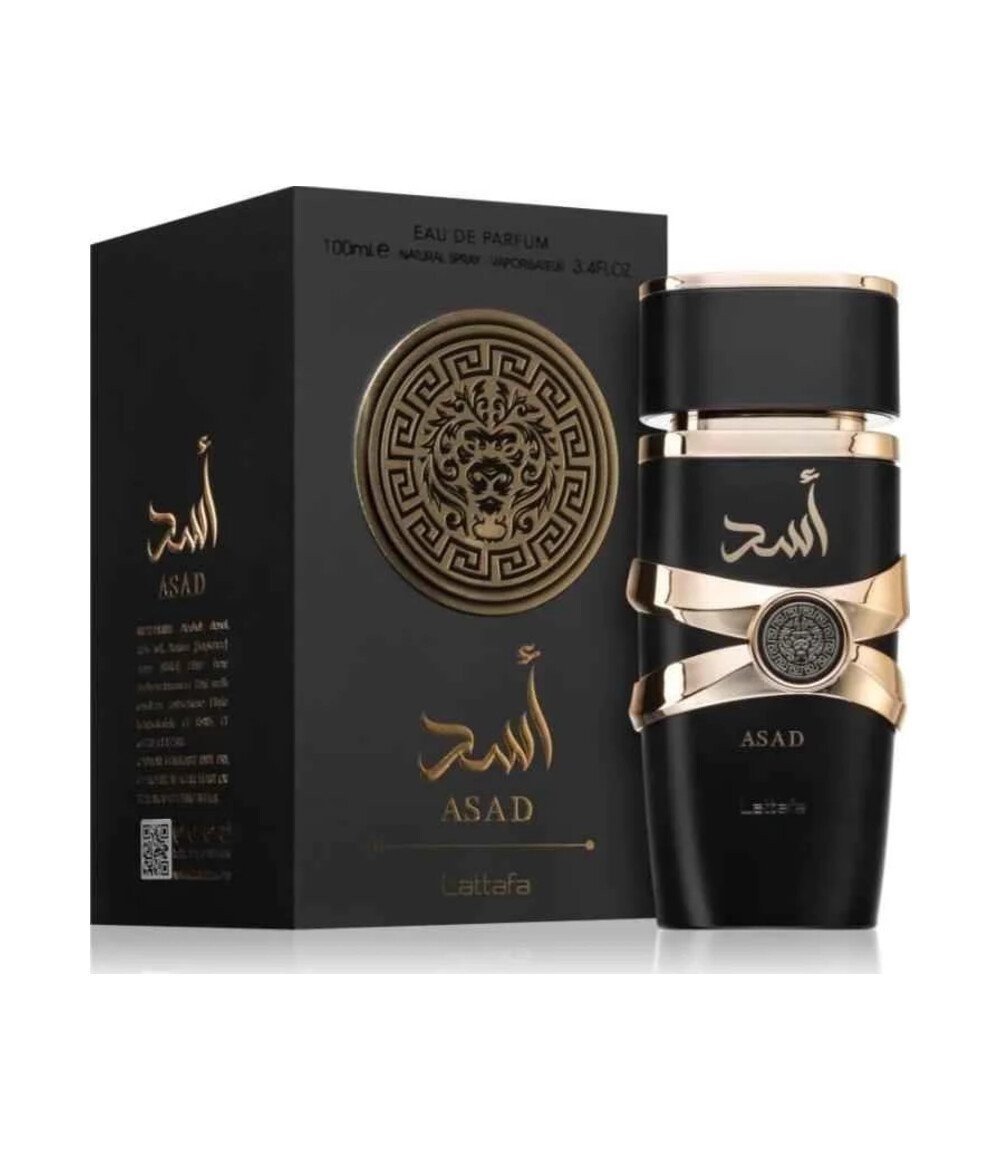
    Asad opens with black pepper, pineapple and tobacco, moves to coffee, iris and patchouli, and rests on amber, vanilla, dry woods, benzoin and labdanum, according to public listings. Wearers describe a smoky, spicy warmth that reads more like dry tobacco leaf than cigarette smoke. It suits evenings, date nights and the colder half of the year. We list it as unisex.

    3. Khamrah Dukhan: the smoky winter option

    Part of the popular Khamrah family, Dukhan adds smoke and incense to a sweet, praline-and-amber base. Listed notes include pimento, incense, patchouli, tonka bean and tobacco. It is sweeter than Asad and darker than the original Khamrah. If you are weighing it against its siblings, see our Khamrah comparison.

    4. Asad Bourbon: if you want more tobacco

    Asad Bourbon sits in our Leather & Tobacco family and is listed in the men’s range. If you already like Asad’s tobacco side and want to explore it further, it is the natural next step. Read its listing for details before you buy.

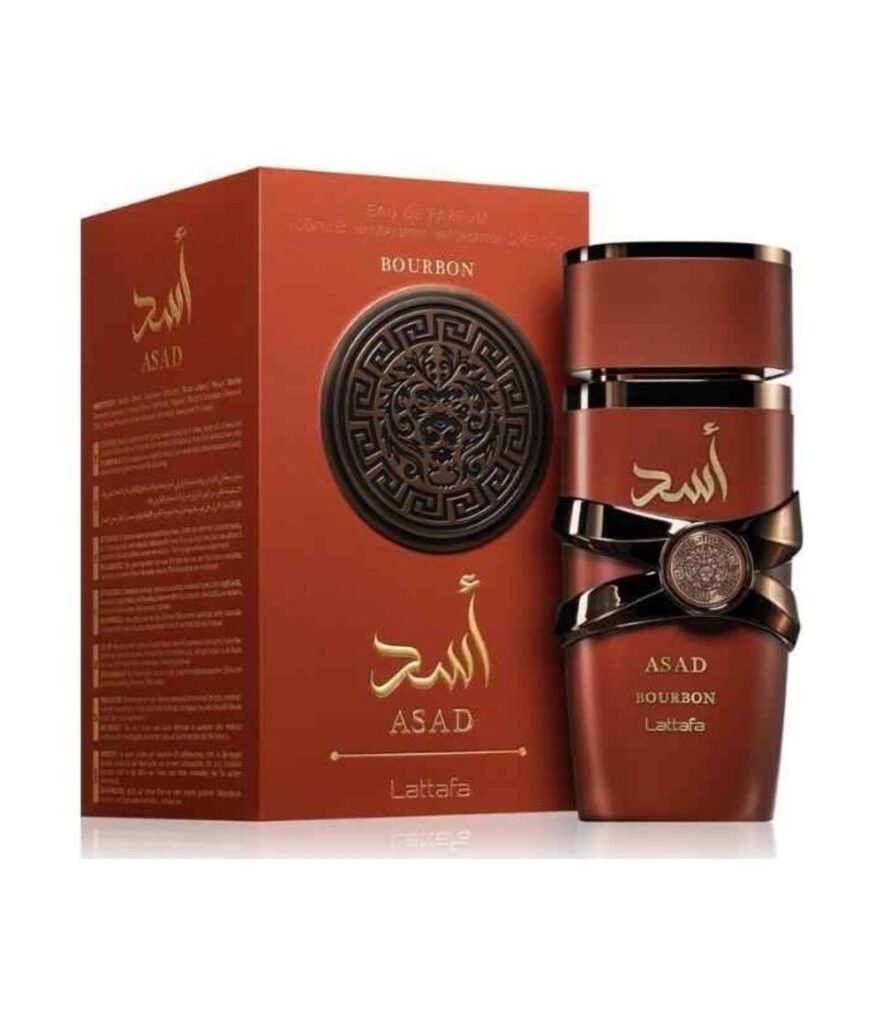
    Asad Bourbon by Lattafa 100ml Eau de Parfum bottle
    Asad Bourbon: from our Leather and Tobacco family.

    5. Oud Mood: a gentle way into oud

    Oud is the dark, resinous wood note at the heart of Arabian perfumery, and it can be intense for newcomers. Oud Mood is the most affordable of the six and sits in our Amber & Oriental family, making it a sensible first step. If you are unsure what oud, amber and musk actually smell like, our guide to oud, amber, musk and gourmand fragrances explains them.

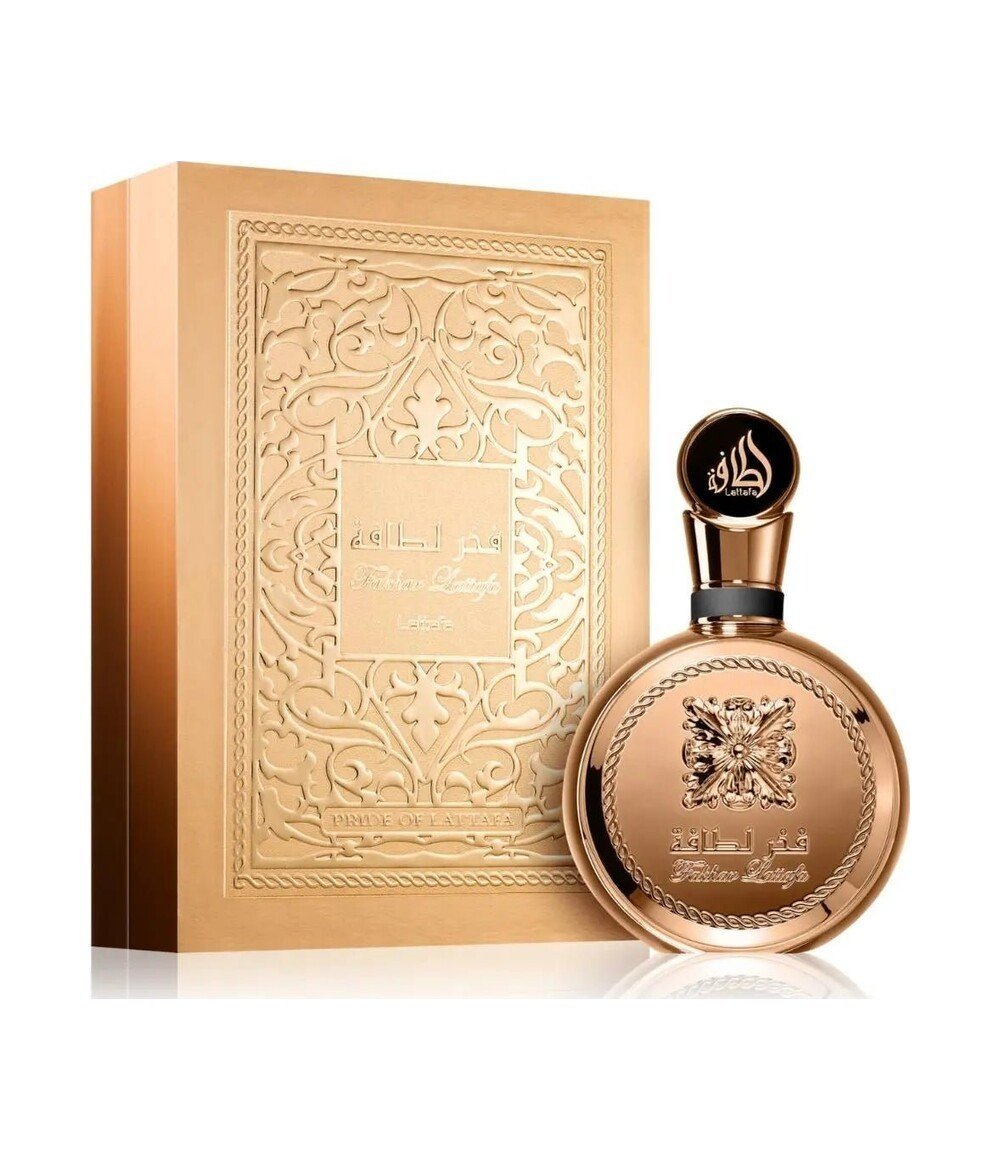
    6. Fakhar Extrait: richer, from the same line

    Fakhar Extrait is sold as an extrait de parfum, the richest concentration, and sits in our Amber & Oriental family. If you enjoy Fakhar and want a more intense version, this is where to look, though its character differs from the standard Fakhar.

    How to choose

    • For the office or daytime: Fakhar.
    • For evenings and dates: Asad or Khamrah Dukhan.
    • For winter: Khamrah Dukhan or Asad Bourbon. For more cold-weather ideas, see our guide to the best Arabic perfumes for winter.
    • For a first oud: Oud Mood.

    Two or three sprays on the chest and neck is a sensible starting point, and fewer in a small office. Most of these are eau de parfum, so they tend to last longer than lighter concentrations. Browse more in our For Him range or the full Lattafa collection.

    Frequently asked questions

    Are Lattafa perfumes only for men or women?

    No. Lattafa sells men’s, women’s and unisex fragrances, and several picks above are listed as unisex. Wear what you like.

    Which Lattafa is best for the office?

    Fakhar is usually the safest choice because of its fresh, aromatic profile. Keep the spray count low in shared spaces.

    Which is best for winter?

    Khamrah Dukhan and Asad Bourbon lean smoky and warm, which suits cold weather.

    Do Lattafa perfumes last long?

    Reviewers often report good wear from the eau de parfum bottles, but it varies with skin, application and weather, so we do not promise specific hours.

    How many sprays should I wear?

    Start with two or three. You can always add more, but you cannot take them back.

    Ready to choose?

    Shop Fakhar, Asad or Khamrah Dukhan, or explore the For Him range.

  • How to Spot Fake Lattafa Perfume: A UK Buyer’s Checklist

    How to Spot Fake Lattafa Perfume: A UK Buyer’s Checklist

    Lattafa is popular, affordable and easy to find online, which is exactly why counterfeiters target it. There is no single giveaway that proves a bottle is fake or genuine. The most reliable approach is to stack several checks together: where you bought it, the packaging, the legal label details required in Great Britain, the batch code, the sprayer and finally the scent. This checklist walks through each one, and is honest about what each check can and cannot tell you.

    The quick answer

    Buy from a seller you can identify and trust, scan the security label if there is one, check that the box and bottle carry the information GOV.UK says cosmetics sold in Great Britain must show, make sure the batch codes on box and bottle match, and test the sprayer and scent. No one step is proof on its own. If several look wrong, do not use the bottle, and contact the seller.

    A note on limits: we cannot authenticate a bottle from photographs, and we are not suggesting every unusual box is fake. Genuine stock can vary in packaging between markets and batches.

    1. Start with where you buy

    Lattafa’s own counterfeit guidance advises buying through its official website or authorised retailers only, and says it monitors marketplaces for fake products. In practice, that means being cautious with anonymous marketplace listings and social-media sellers. Before you order, look for clear company details, a returns policy and a way to contact the seller. If you buy and later have doubts, a clear returns process makes life much easier.

    2. Be realistic about price

    Lattafa is a value-focused house, so a low price is not suspicious by itself. What should make you pause is a price far below what established UK sellers charge for the same product, especially for newer or very popular releases. Ask yourself how a seller could be making any margin at that price.

    3. Look closely at the packaging

    Lattafa says genuine products use premium materials and precise wrapping, and include a security label with a QR code that can be scanned to verify the product on its official system. Counterfeits, it says, often use cheap materials, poor printing and lack a valid QR code. Check for:

    • tight, neat cellophane rather than loose or wrinkled wrap
    • sharp printing with no spelling mistakes, blurred logos or off-colour text
    • a security label that scans and takes you to an official brand destination
    • a sturdy box that fits the bottle properly

    Remember that copied packaging exists, so treat a good box as one positive signal rather than proof.

    4. Check the UK label details

    Perfume counts as a cosmetic product in law. GOV.UK’s consumer guidance on cosmetics says products for consumers in Great Britain must have a named Responsible Person with a UK or EU address. The container and packaging should also show an identification number such as a batch number, the country of origin if the product is imported, and a list of ingredients (which may appear only on the packaging). The information must be in English and easy to read.

    The same page tells buyers to be wary if there is no named Responsible Person, no UK or EU address (or only a mail-forwarding or PO Box address), or if product information is missing, minimal or poorly written. For more detail, see the government’s guide to making cosmetic products available in Great Britain.

    One fair caveat: missing UK details do not prove a bottle is counterfeit, because genuine stock intended for other markets may be labelled differently. They are still a good reason to question the seller, since the product may not meet British labelling rules.

    5. Match the batch codes

    A batch code is a short string of letters and numbers, often printed or embossed on the base of the box and the bottle. The two should match, and neither should be missing, smudged or look stuck on. Online batch-code checkers can tell you roughly when a bottle was made, which is useful for spotting very old stock. They cannot prove authenticity, because codes can be copied, so use them as a sense check only.

    6. Inspect the bottle and sprayer

    Look at the glass for bubbles, rough seams or uneven finishing. The cap should fit snugly, and the sprayer should give a fine, even mist rather than dribbling or spitting. The liquid should be clear of floating particles. Be fair to genuine bottles here, though: fragrance can darken slightly with age, heat or light, so a colour change alone is not conclusive. Our guide to storing perfume properly explains what causes it.

    7. Finish with the scent

    Read the listed notes for that fragrance, then see whether what you smell is in the right ballpark and whether it develops over the hours that follow. Fakes are often described as sharp, alcoholic or quick to fade, but scent is the weakest test on its own: batches of genuine perfume can differ a little, and everyone’s skin is different. If you own two bottles, our guide on comparing two fragrances fairly shows how to test side by side.

    Genuine or suspect? A quick checklist

    Check Reassuring Warning sign
    Seller Identifiable business, clear returns policy Anonymous seller, no contact details
    Price In line with reputable UK retailers Far below the going rate
    Packaging Neat wrap, sharp print, scannable security label Loose wrap, blurry print, no valid QR code
    UK label Responsible Person with UK or EU address, batch number, ingredients, English No Responsible Person, PO Box only, missing information
    Batch code Matches on box and bottle Missing, mismatched or smudged
    Sprayer Fine, even mist; snug cap Dribbles, loose cap, rough glass
    Scent Matches the expected profile and evolves Harsh, thin or fades very quickly

    What to do if you think you have a fake

    • Stop using it if it irritates your skin, and keep the box, bottle and receipt.
    • Contact the seller with clear photos and ask for a refund or replacement.
    • Report it to Lattafa. Its guidance invites reports that include the seller’s name or link and photos of the product and packaging, including the QR label.
    • Tell Trading Standards via the Citizens Advice consumer service if the seller will not help or the product seems unsafe. You can also check the government’s product safety alerts, reports and recalls.

    For Lattafa’s own advice, see its counterfeit guidance page.

    Frequently asked questions

    Can a batch code prove my Lattafa is real?

    No. A valid-looking code is one useful signal, but codes can be copied. Combine it with the other checks.

    Does genuine Lattafa have a QR code?

    Lattafa’s guidance says genuine products carry a security label with a QR code for verification. If yours has no such label, ask the seller why.

    Is a cheap Lattafa automatically fake?

    No. Lattafa is an affordable brand. The warning sign is a price well below what reputable UK sellers charge for the same item.

    Can genuine bottles smell slightly different from batch to batch?

    Reviewers sometimes report small differences between batches, so a minor difference is not proof of a fake. A harsh, thin or very short-lived scent combined with other red flags deserves a closer look.

    Are fake perfumes safe to wear?

    Lattafa warns that counterfeits may use untested ingredients and can pose health and safety risks. If you notice irritation, stop using it.

    Shopping with confidence

    Whatever you buy, keep the packaging until you are happy with it. If you have a question about an order from us, please contact us and see our refund and returns policy. New to the brand? Start with our beginner’s guide to Lattafa or browse the Lattafa collection.

  • Lattafa Yara Guide: Yara vs Yara Candy vs Yara Moi vs Yara Tous

    Lattafa Yara Guide: Yara vs Yara Candy vs Yara Moi vs Yara Tous

    Lattafa’s Yara range is one of the most talked-about perfume families around, and it has grown into several bottles that look similar on the shelf. This guide explains the four core scents, Yara, Yara Candy, Yara Moi and Yara Tous, so you can tell them apart before you buy.

    The quick answer

    All four are sweet, creamy and easy to wear, but each leans a different way. The original Yara is the soft, creamy, pink-dessert one. Yara Candy is the loudest and fruitiest, with a sugary, strawberry-and-berry sparkle. Yara Moi is the warmest, with caramel and amber. Yara Tous is the most tropical, with coconut, mango and passionfruit. If you are unsure, choose by mood: cosy and creamy (Yara), playful and fruity (Candy), warm and cosy (Moi) or bright and tropical (Tous).

    How we wrote this: notes come from publicly listed note lists, and retailer listings do not always agree on every detail, so treat them as a general picture. Impressions summarise what wearers commonly report. Skin chemistry varies, so your results may differ.

    The Yara family at a glance

    Fragrance Headline notes (as listed) Mood Tends to suit Price (100ml EDP)*
    Yara (original, pink bottle) Mandarin, heliotrope, orchid, vanilla, sandalwood, musk Creamy, soft, dessert-like Everyday sweet-scent fans £18.99
    Yara Candy Green mandarin, black currant, strawberry, vanilla, amber, musk Juicy, sugary, playful Those who want a fun, fruity sweet scent £17.35
    Yara Moi Jasmine, peach, caramel, amber, sandalwood Warm, cosy, caramel-leaning Cooler days and evenings £18.99
    Yara Tous Coconut, mango, passionfruit, jasmine, vanilla, musk Tropical, fruity, creamy Warmer days and holidays £18.99

    *Prices are correct at the time of writing (October 2026). Please check each product page for today’s price.

    Yara: the creamy original

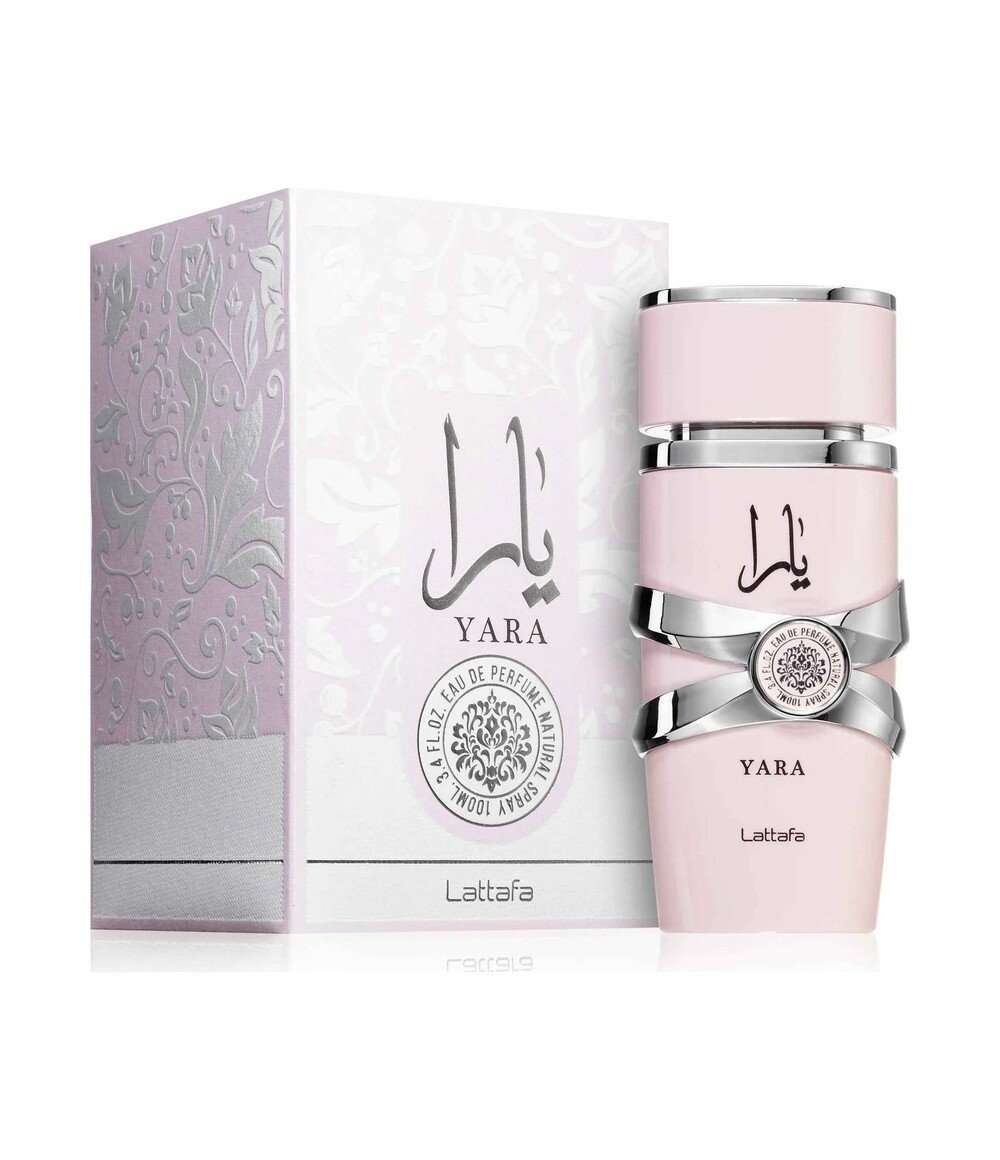
    The original Yara comes in the pink bottle, and our 100ml listing is titled Yara Pink. Listed notes start with mandarin, heliotrope and orchid, and rest on a soft base of vanilla, sandalwood and musk. Wearers often describe a creamy, pink, dessert-like sweetness with a hint of tropical fruit. It is a good place to start if you want the Yara signature without leaning too fruity or too caramel.

    Yara Candy: the fruity, sugary one

    Yara Candy is built around green mandarin, black currant and a strawberry-fizz opening, with candied fruit and flowers in the heart and a base of sandalwood, vanilla syrup, musk and amber. As the name suggests, it is the most overtly sweet of the four. If you like fruity gourmands, this is likely your pick; if sweetness overwhelms you, look elsewhere in the range.

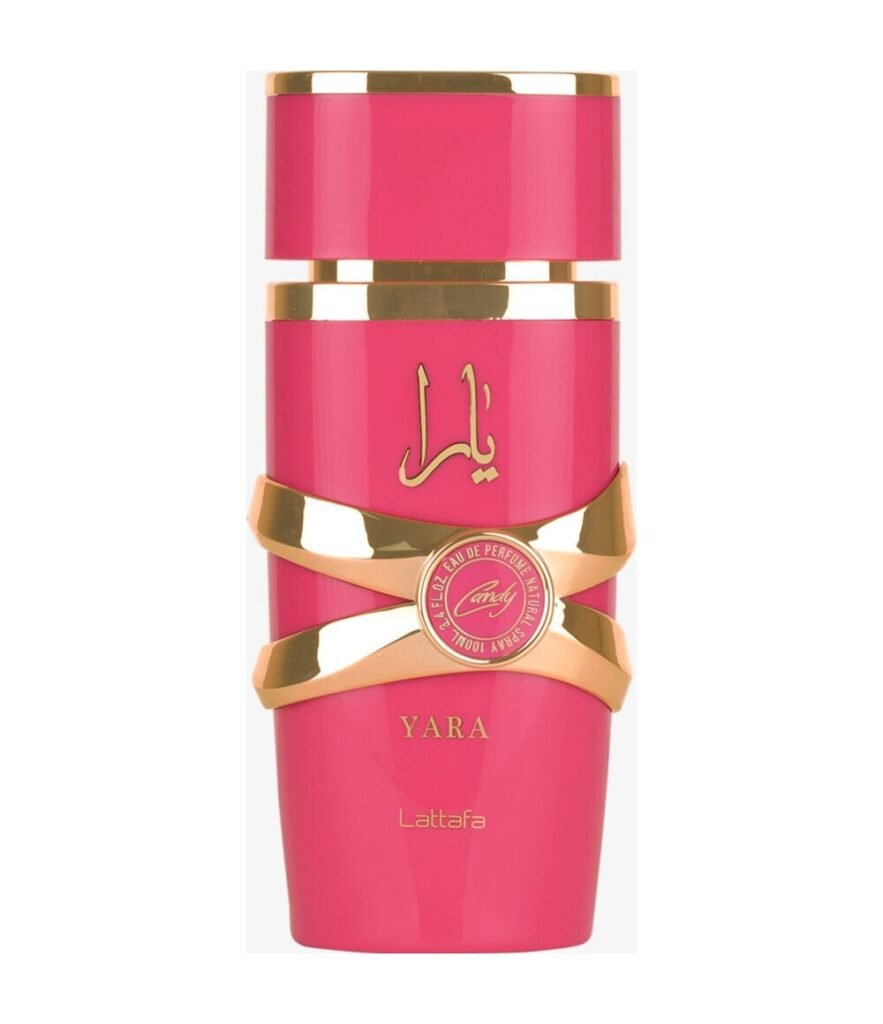
    Yara Candy by Lattafa 100ml Eau de Parfum bottle
    Yara Candy: bright, fruity and sweet.

    Yara Moi: the warm, caramel-leaning one

    Yara Moi (sometimes called Yara White) is generally described as warmer and slightly more grown-up. Listings point to jasmine and peach at the top, caramel and amber in the heart, and patchouli and sandalwood beneath, though some retailers list vanilla and musk instead. Either way, expect a cosy, golden sweetness rather than a fruit-salad one. It tends to suit cooler weather.

    Yara Tous: the tropical one

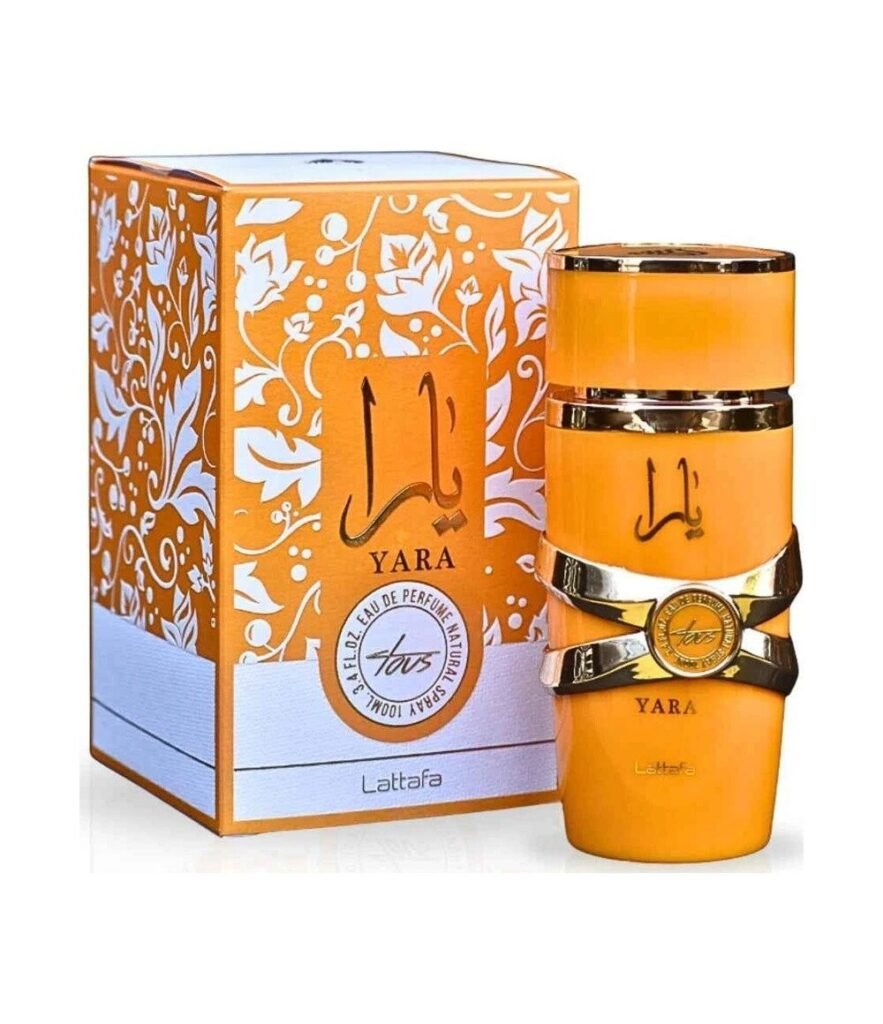
    Yara Tous opens with coconut, mango and passionfruit, moves through jasmine, heliotrope and orange blossom, and settles on a creamy base of cashmere wood, vanilla and musk. It is the one that feels most like a holiday, and it tends to suit warm days better than the others, though it is still a sweet, rich scent.

    Yara Tous by Lattafa 100ml Eau de Parfum bottle
    Yara Tous: coconut, mango and passionfruit.

    How to choose between them

    • You want the classic Yara feel: Yara (our Yara Pink).
    • You love fruity, sugary perfumes: Yara Candy.
    • You want something warm and cosy: Yara Moi.
    • You want a bright, tropical scent: Yara Tous.

    They share a creamy, vanilla-and-musk backbone, so many wearers find the four sit in the same family once dry. If you are building a small collection, pick two with different moods, for example Tous for warm days and Moi for cooler ones.

    Lattafa has also released flankers such as Yara Elixir, which we stock. This guide sticks to the four core scents. You can browse every option in our For Her range or across the full Lattafa collection.

    Sizes, formats and getting the most from them

    Beyond the 100ml eau de parfum, Yara is sold in smaller formats. For example, our Yara 20ml perfume oil is a handy way to carry a scent in your bag. Oils and sprays wear differently, so see our plain-English guide to perfume concentrations for how that affects value and wear.

    With sweet scents like these, two or three sprays on pulse points is usually plenty. Applying to moisturised skin can help the fragrance stay put.

    Like sweet, warm scents? You may also enjoy the Khamrah family, compared in our guide, or browse more cold-weather options in our best Arabic perfumes for winter.

    Frequently asked questions

    What is the difference between Yara and Yara Candy?

    Yara is creamy and soft, while Yara Candy is brighter, juicier and noticeably sweeter, with strawberry and berry notes at the front.

    Which Yara is the sweetest?

    Yara Candy is usually described as the most sugary, followed by the original Yara.

    Which Yara is best for summer?

    Yara Tous tends to suit warm weather best because of its tropical fruit opening, though all four are sweet scents.

    Is Yara only for women?

    Yara is marketed for women, and our listings place it in the For Her range, but you should wear what you enjoy.

    How long does Yara last?

    Reviewers report moderate to long wear, but it varies with skin, application and weather, so we do not promise specific hours.

    Ready to choose?

    Shop Yara, Yara Candy, Yara Moi or Yara Tous.

  • Khamrah vs Khamrah Qahwa vs Khamrah Dukhan: Which Lattafa Should You Buy?

    Khamrah vs Khamrah Qahwa vs Khamrah Dukhan: Which Lattafa Should You Buy?

    If you are new to Lattafa, the Khamrah family can be confusing. There are now three closely related bottles, the original Khamrah, Khamrah Qahwa and Khamrah Dukhan, and at first spray they can seem almost interchangeable. This guide separates them by what actually differs: the notes, the mood of the opening, and who each one suits.

    The quick answer

    The original Khamrah is the sweetest and most dessert-like, built around cinnamon, dates and praline. Khamrah Qahwa keeps that warmth but adds cardamom and a mellow coffee note, which many wearers find a touch less sugary. Khamrah Dukhan is the darkest of the three, adding smoke, incense and tobacco. If you want one bottle and enjoy sweet, warm scents, start with the original. If it sounds too sweet, look at Dukhan or Qahwa.

    How we wrote this: the notes below come from publicly listed note lists for each fragrance, and the impressions summarise what wearers commonly report. Skin chemistry varies a great deal, so treat this as a guide to narrow your choice, not a promise of how it will smell on you.

    Khamrah, Qahwa and Dukhan at a glance

    Fragrance Headline notes (as listed) Character Best for Price (100ml EDP)*
    Khamrah (2022) Cinnamon, nutmeg, dates, praline, vanilla, amber Sweet, spiced, dessert-like First-timers who like sweet scents £23.99
    Khamrah Qahwa (2023) Cinnamon, cardamom, praline, coffee, vanilla, tonka Sweet with a coffee-and-cardamom edge Those who want a little less sugar £22.99
    Khamrah Dukhan (2025) Pimento, incense, patchouli, praline, tobacco, amber Darker, smoky, resinous Cold evenings and smoky-sweet fans £21.99

    *Prices are correct at the time of writing (October 2026). Please check the product page for today’s price. Release years are as given in public fragrance listings.

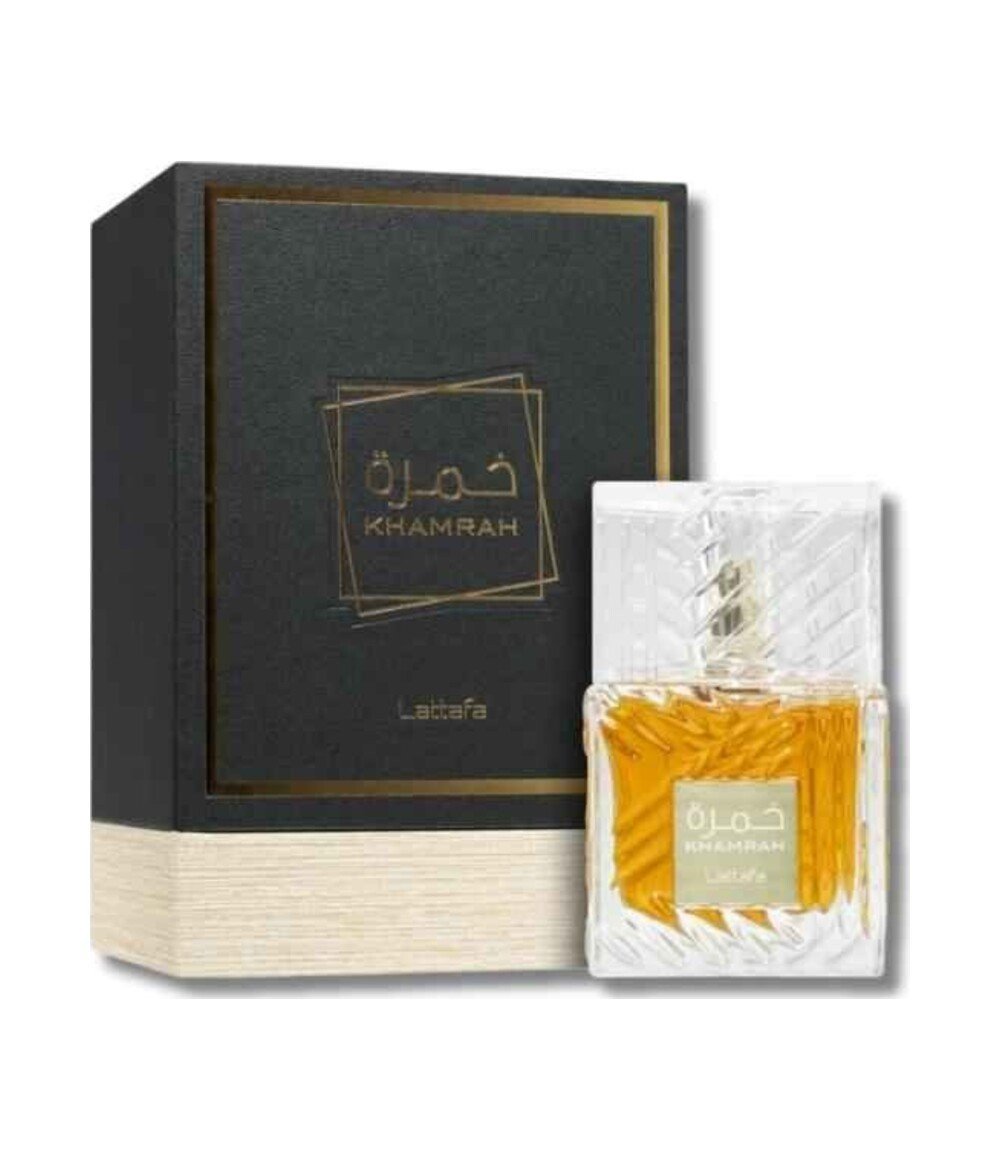
    Khamrah Qahwa by Lattafa 100ml Eau de Parfum bottle
    Khamrah Qahwa: the coffee-and-cardamom variation.

    Khamrah: the sweet-spice original

    Released in 2022, Khamrah is the one that started the trend. Public note lists show cinnamon, nutmeg and bergamot at the top, dates, praline and tuberose in the heart, and a base of vanilla, tonka bean, benzoin, amberwood and myrrh. In plain English: a boozy, spiced opening that settles into creamy vanilla and warm amber.

    Reviewers often call it a safe blind buy if you already like sweet fragrances, and a better fit for autumn and winter than for a hot day. If you prefer fresh, clean scents, try before you commit. It is sold as unisex, and plenty of people of every gender wear it.

    Khamrah Qahwa: the coffee-and-cardamom twist

    Qahwa (Arabic for coffee) arrived in 2023. The listed notes open with cinnamon, cardamom and ginger, move to praline, candied fruits and white flowers, and finish with vanilla, coffee, tonka bean, benzoin and musk.

    Here is the honest part: the coffee is mellow. Wearers tend to describe something closer to sweet Arabic coffee than a bitter espresso, and several say the cardamom is the first thing they notice compared with the original. If the original feels slightly too sweet for you, Qahwa may feel a little more grown-up, though the gap narrows as it dries down.

    Khamrah Dukhan: the smoky, darker one

    Dukhan means smoke in Arabic, and the name is fair warning. Listed notes include mandarin, pimento and smoky spices, orange blossom, cistus, incense and patchouli, with praline, tonka bean, amber, benzoin and tobacco underneath. Listings differ on exactly which note sits in which layer, so use these as a general picture.

    Reviewers describe a spicier, darker opening than the original that gradually moves closer to the familiar Khamrah sweetness. Some prefer it as the most refined of the three; others find the difference small. It is the logical choice if you like the idea of Khamrah but want less pure sugar and more smoke.

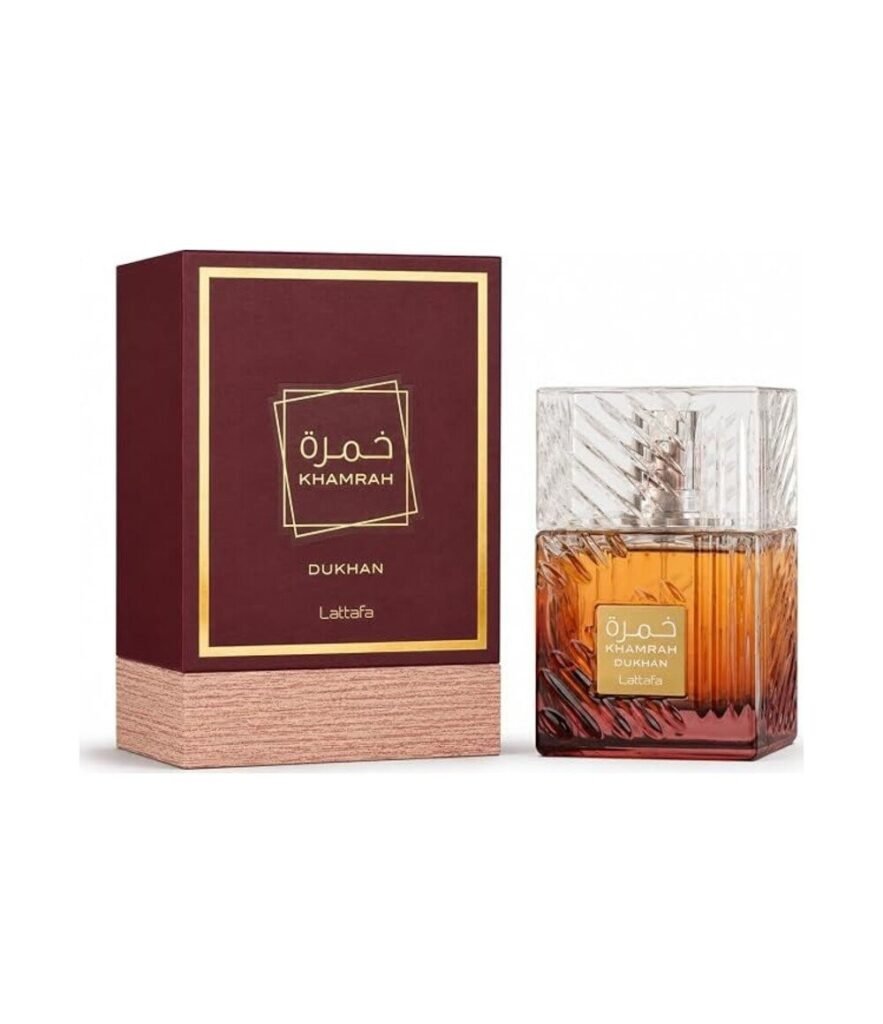
    Khamrah Dukhan by Lattafa 100ml Eau de Parfum bottle
    Khamrah Dukhan: the smoky, incense-and-tobacco take.

    How different are they really?

    They share a recipe: praline, vanilla, amber and warm spice. Where they differ is mostly in the first hour, with cinnamon-and-dates for the original, cardamom-and-coffee for Qahwa and smoke-and-incense for Dukhan. Many wearers report that the three come surprisingly close once they settle on skin, so you do not need all three. Choose the opening mood you like best.

    Which Khamrah should you buy first?

    • You love sweet, dessert-style perfumes: the original Khamrah.
    • You like sweet but want an edge: Khamrah Qahwa.
    • You prefer smoky, tobacco or incense notes: Khamrah Dukhan.
    • You are buying a gift and want the broadest appeal: the original.

    Not sure sweet is for you? Our Find Your Scent page is a good place to narrow things down, and you can browse every option in the Sweet & Gourmand family.

    When and how to wear them

    All three are rich, warm eau de parfum scents that suit cooler weather and evenings. Reviewers frequently describe strong projection, so begin with two sprays and build up only if you want more; heavy-handed application is the most common complaint. Spray onto skin, and a light mist on clothing can help it linger, though test a hidden patch of fabric first. In hot weather, use fewer sprays or save them for air-conditioned evenings.

    Keep bottles away from radiators and sunlight; our guide to storing perfume properly explains why. For more cold-weather options beyond Khamrah, see our pick of the best Arabic perfumes for winter.

    If you enjoy sweet, creamy scents, the fruity and caramel-leaning bottles in our Lattafa Yara guide are another good place to look.

    What about Khamrah Waha?

    Khamrah Waha is a separate release. We list it under Fresh & Citrus rather than Sweet & Gourmand, at a higher price, so do not assume it smells like the three above. Read its product page before you buy.

    Frequently asked questions

    Is Khamrah a men’s or women’s perfume?

    It is marketed as unisex. Wear whichever you like.

    Which Khamrah is the sweetest?

    The original is usually described as the sweetest. Qahwa is often called slightly less sweet, and Dukhan trades some sweetness for smoke.

    Does Khamrah Qahwa really smell of coffee?

    There is a coffee note, but most reviewers describe it as soft and sweet rather than a strong espresso, with cardamom often more noticeable.

    How long does Khamrah last?

    Many reviewers report long wear and strong presence, but duration depends on your skin, how much you apply and the weather, so we do not promise a fixed number of hours.

    Can I wear Khamrah in summer?

    You can, but it is a heavy scent. Use fewer sprays and consider evenings or cooler days.

    Ready to choose?

    Shop Khamrah, Khamrah Qahwa or Khamrah Dukhan, or explore the full Lattafa collection.

  • A Beginner’s Guide to Choosing a Lattafa Perfume

    If you have spent any time in the world of fragrance over the last few years, you will have heard the name Lattafa. It turns up in TikTok hauls, in “best Arabian perfume” round-ups, and in the comments under almost every discussion of affordable designer-inspired scent. Yet with a catalogue running to hundreds of fragrances, knowing where to start can feel genuinely overwhelming. This guide is here to fix that: who Lattafa are, how to navigate their range, and how to choose a first bottle you will actually enjoy wearing.

    What is Lattafa?

    Lattafa is an independent, family-run perfume house from the United Arab Emirates. The business began in Dubai — press accounts most often give 1980 as the starting point, with a formal brand launch in 1992 — and it is now in its third generation of the Sheikh family, operating from Sharjah. The official company profile describes full in-house control of creation, R&D and manufacturing, and claims distribution in more than 120 countries.

    What made the house famous in the West is straightforward: Arabian-style perfumery — rich accords built around oud, amber, musk, rose, saffron and spice — offered at prices far below the designer and niche equivalents. Over the past few years, social media buzz around titles such as Khamrah, Yara and Asad turned Lattafa into one of the best-known affordable luxury houses on the planet.

    A couple of things worth knowing as you browse. Press accounts differ on the details of the founding — some name Sheikh Shahid Ahmad as sole founder, others name a co-founder, Shoaib Iqbal — and on whether the formal establishment dates to the 1980s or the mid-1990s. And the brand family is bigger than the main Lattafa line: Maison Alhambra is a Lattafa-owned sister brand (trademark registered to Lattafa Perfumes Ind. LLC), Asdaaf is an entry-level sister brand, and Lattafa Pride and Niche Emarati are the house’s premium tiers.

    Browse the full house here: Lattafa at PerfumeStory.

    How to navigate 283 fragrances

    Honesty first: nobody should try to work through all 283 Lattafa fragrances one by one. The catalogue only becomes manageable when you filter it the way perfumers think — by fragrance family, and by who the scent is really for.

    Start with fragrance families. PerfumeStory tags every Lattafa fragrance by family, and these are your best navigation tool. The house’s range spans Sweet & Gourmand (warm, edible-leaning scents), Fruity and Floral (brighter, often easier to love), Amber & Oriental (rich, resinous, classically Arabian), Leather & Tobacco (darker, drier, more masculine-leaning), and Fresh & Citrus (clean, bright, everyday-friendly). If you already know you dislike sweet scents, you can immediately narrow your shortlist by half or more.

    Take the gender tags as guidance, not rules. Many Lattafa fragrances are labelled For Him, For Her or Unisex. These labels reflect marketing rather than chemistry — plenty of people who wear “for him” scents daily are women, and vice versa. Use them as a loose sorting aid, then trust your nose and your taste.

    Watch the size. Lattafa bottles commonly come in 100ml, which is generous by designer standards and usually excellent value. Some lines come in smaller 60ml or 50ml bottles, and a number of popular titles are also available as concentrated perfume oils in 10–20ml bottles — a genuinely smart, low-commitment way to try a scent family before buying a full spray bottle.

    Starter picks by taste

    Rather than ranking “the best” Lattafa perfumes — taste is far too personal for that — here are popular starter picks, curated by what you already know you like. Each is a real, widely-loved title in the catalogue.

    If you like fresh, clean scents

    Start here if your ideal fragrance smells like a bright morning: citrus, clean notes, easy to wear to the office. Maahir Legacy sits in the Fresh & Citrus family and is one of the most approachable entry points in the whole range — a safe first Lattafa for anyone who finds Arabian perfumery intimidating.

    If you like sweet, warm scents

    Sweet and gourmand is arguably Lattafa’s strongest suit, and Khamrah is the title that made the house famous on social media. It is a warm, cosy, unisex sweet scent — the kind of fragrance people buy after one wear at a friend’s house. If you like vanilla, warm spice and comforting sweetness, this is your starting point.

    If you want the classic Arabian oud style

    The whole point of Lattafa is Arabian perfumery, and if you are curious about the oud-forward style the house is built on, Oud Mood is the natural first step. As the name suggests, it leans into the woody, resinous amber-and-oriental character — richer and deeper than the fresh or sweet picks above. Try it before assuming oud is not for you; in Lattafa’s hands it is usually smooth and wearable rather than challenging.

    If you like fruity and feminine-leaning scents

    Yara is one of the house’s most talked-about fruity titles, and the 20ml perfume oil format makes it a particularly good first purchase: a small, affordable way to explore the scent before committing to a full bottle. Fruity, easy to wear, and a favourite among first-time Lattafa buyers.

    If you like darker, bolder scents

    For those who prefer their fragrance with some edge — think evening wear rather than office wear — Asad Bourbon sits in the Leather & Tobacco family. It is a confident, masculine-leaning pick and a good illustration of how far Lattafa’s range extends beyond the sweet scents it is most famous for.

    Concentrations and sizes, explained

    Almost the entire Lattafa range is Eau de Parfum — the standard concentration for the house, and a strong one. In practice, this means most Lattafa fragrances are generously potent for their price; two or three sprays is usually plenty to start with, and you can always add more.

    Perfume oils are the other format you will see often. These are alcohol-free concentrated oils, usually in small 10–20ml bottles. They wear closer to the skin than sprays and are ideal for testing whether you actually like a scent family — or for travel and handbags.

    On sizes: 100ml is the house standard and typically represents the best value per millilitre. Smaller bottles and oils are your low-risk trial route. A sensible beginner strategy is one small oil or bottle in the family you think you will love, worn for a week, before you invest in a full 100ml of anything.

    Getting good value

    Lattafa’s entire reputation rests on value: Arabian-style perfumery at a fraction of designer prices. A few principles will help you spend wisely:

    • Buy for the family, not the hype. A fragrance can be famous on social media and still be wrong for you. Match your pick to the fragrance family you already enjoy, and you will rarely go wrong.
    • Start small. With oils and smaller bottles available across the range, there is no need to gamble on a blind-buy 100ml as your very first purchase.
    • One bottle at a time. Wear a new fragrance for several days — on skin, in different weather, at different times of day — before deciding. First impressions in a shop or from a paper strip are unreliable.
    • Ignore the noise. The catalogue is large enough that you will find contradictory opinions on every single title. Trust the families, trust your taste, and treat everything else as entertainment.

    Your first Lattafa in three steps

    1. Pick your family: fresh, sweet, fruity, oud-leaning or dark. Be honest about what you already wear.
    2. Choose your format: a perfume oil or smaller bottle to trial, or a full 100ml once you are confident.
    3. Wear it properly: a few days on skin before you judge.

    Lattafa earned its reputation by making the grandeur of Arabian perfumery accessible to everyone. With 283 fragrances to choose from, the range can look daunting — but once you navigate by family and start with a pick that matches your taste, choosing your first bottle becomes the enjoyable part. Happy exploring.

    Next steps: compare the Khamrah family, explore the Yara range, see our best Lattafa perfumes for men, or learn how to spot a fake Lattafa.

  • French Avenue and Lattafa: Two Houses, Compared Honestly

    Both on our shelves, both from Dubai, both loved across the UK — but French Avenue and Lattafa are not the same house, and they don't set out to do the same thing. If you're standing between them wondering which to try first, here's an honest look at each, based on what the brands themselves say about their origins and ambitions. No winner declared; that's your call to make with your own nose.

    The origins: two Dubai stories

    French Avenue is a brand of Fragrance World, and that distinction matters. Its founder and chairman is Mr. Poland Moosa Haji, whose story the company tells on its official About page: a general-trading business in Dubai from 1988, a dedicated fragrance company — Fragrance World Trading — formed in 2003, and the French Avenue brand launched in 2012 as, in the company's own words, "a young, vibrant, entry luxury brand." Today the official figures are 500+ products and distribution in 125+ countries. French Avenue is the premium line of that portfolio, aimed squarely at a younger, fashion-conscious audience. (One persistent myth worth clearing up: French Avenue is *not* a division of Paris Corner, which is a separate, independent Dubai house with its own collections. No credible source links the two.)

    Lattafa is a different kind of enterprise entirely: an independent, family-run perfumery. Its origin story is rooted in trade — founder Shahid Ahmed is reported to have spent some 13 years working in a relative's perfume shop in Dubai before starting the company. Press accounts differ on the details of its early years (founder credited as Shahid Ahmed alone in some profiles, alongside Shoaib Iqbal in others; 1980 is the most commonly given founding year, with 1992 cited as the brand's formal international launch), so we'd rather present the house as it is today than pretend certainty about its past. What is documented is that the company grew from a small Dubai perfumery into a third-generation family business, headquartered in Sharjah, claiming distribution in 120+ countries and a portfolio of over 2,000 products.

    So: a young premium label inside a large modern fragrance group versus a decades-old family house. That difference shapes everything that follows.

    Positioning and philosophy

    French Avenue's launch framing was deliberately modern — "energetic, niche-style" compositions with French-influenced presentation, carrying the tagline "For Those Who Desire." The house talks about Middle-Eastern boldness dressed in European polish, and its collections lean into bold concepts: the Vulcan family, the zodiac-themed Genesis collection of twelve fragrances, Royal Blend, Zenith, Veneno, Liquid Brun and others.

    Lattafa's stated philosophy is broader and more populist: Arabian perfumery traditions — the orientals, ouds, ambers and musks of the region — made accessible to everyone. The official site's mission is to "connect a billion people" through fragrance, and the house openly targets younger buyers alongside its traditional audience. The TikTok-driven success of titles like Khamrah, Yara and Asad in the 2020s turned it from an insider name into one of the most talked-about houses in the UK and beyond.

    In short: French Avenue positions itself as the entry point into luxury; Lattafa positions itself as luxury's accessible alternative.

    Range and choice

    On sheer catalogue size, Lattafa is the bigger house. Its range runs to hundreds of fragrances across multiple tiers — the main line, the premium Lattafa Pride tier, the Niche Emarati collection, and sister brands Asdaaf (entry-tier) and Maison Alhambra — and its official About page claims 2,000+ products across the company. Browsing the Lattafa shelves is a genuine expedition: gourmands, orientals, fresh scents and everything between.

    French Avenue's range is tighter and more curated, sitting inside a group portfolio of 500+ products across its brands. Named lines include Vulcan, Royal Blend, Zenith, Veneno, Liquid Brun, the Genesis zodiac collection, Spectre, Atlantis, Miraj Absolu, Chaos, Aether, Amber Empire, Azzure Aoud, Cocoa Marado and the Aromatix collaboration range — enough variety to explore without the paradox of choice.

    Concentrations and presentation

    One of French Avenue's calling cards is concentration: a notable share of the line is bottled at extrait de parfum strength rather than eau de parfum — unusual at this price level, and worth knowing if you prefer richer, weightier wear. Bottles tend toward the dramatic: French Avenue's presentation is deliberately luxurious, with weighty glass and gold-accented design.

    Lattafa's main line is overwhelmingly eau de parfum, which is part of why the house is so approachable — EDP is the concentration most buyers already know how to wear. Presentation varies enormously across the range, from simple modern bottles to the ornate, jewel-like flacons of titles like Khamrah. Both houses, incidentally, share the Middle-Eastern tradition of unapologetically generous, present scents — neither brand does shy and quiet.

    Price positioning

    We can't quote fixed prices for either house's full range here, and we'd rather not pretend their prices never vary. But their positioning is honestly described as the same neighbourhood: both brands exist to deliver rich, Middle-Eastern-style perfumery at prices far below designer and niche equivalents. French Avenue frames itself as "entry luxury" — the first rung of a ladder that would otherwise cost much more. Lattafa built its reputation on the same promise: famous-scent quality at a fraction of famous-scent prices. In practice, you'll find bottles from both houses occupying broadly similar territory on our shelves, and both represent exceptional value for money.

    Who each suits

    Reach for French Avenue if you like the idea of a younger, fashion-forward house with extrait-strength concentrations, bold concepts and dressed-up bottles. If your taste runs to statement fragrances with Middle-Eastern intensity and European polish, the French Avenue collection deserves your attention — particularly Amber Empire for its warm, opulent character, or Vulcan Feu from the brand's signature Vulcan family.

    Reach for Lattafa if you want the deepest catalogue to explore, the family-house heritage, and the shared culture of discovery that surrounds its best-known titles. Khamrah and Asad are the ones everyone talks about for good reason — explore the Lattafa collection and you'll find plenty more, from oud-forward blends like Oud Mood to the house's famous fruity florals.

    And if you're genuinely torn? Sample one from each. A wardrobe with both a Lattafa and a French Avenue in it is a very well-dressed wardrobe indeed.

  • Eau de Parfum vs Eau de Toilette vs Extrait de Parfum: A Plain-English Guide

    Walk into any perfume shop, physical or online, and you will bump into a small alphabet soup: EDT, EDP, Extrait, Parfum. They all describe the same thing — how concentrated a fragrance is — and the differences matter more than most people realise. Choose wrong and a scent you loved on the first spray can feel too faint by lunch, or a subtle fragrance can arrive at the office like an announcement.

    This guide explains the three main concentrations in plain English: what they are, how they change a scent’s character, which suits which occasion, and how to get the best value for your money. No jargon, no marketing fluff.

    What “concentration” actually means

    A perfume is mostly alcohol (the carrier) plus a blend of aromatic oils (the perfume itself). The concentration is simply the proportion of those oils. More oil generally means a richer, longer-wearing scent — but, crucially, it is not just “stronger.” Concentration changes the character of a fragrance: how the top notes bloom, how the dry-down develops, and how it sits on the skin.

    The three main concentrations, from lightest to richest:

    ConcentrationTypical oil rangeGeneral character
    Eau de Toilette (EDT)~5–15%Bright, fresh, lighter-wearing
    Eau de Parfum (EDP)~15–20%Balanced, fuller, longer-wearing
    Extrait de Parfum (Parfum)~20–30%+Richest, deepest, most intimate

    These ranges are widely published industry norms, not exact rules — there is no global regulator of perfume labels, so one house’s EDP might behave like another’s extrait. Use the label as a guide, not gospel.

    Eau de Toilette: light, fresh, easy

    Eau de Toilette is the lightest of the three, typically around 5–15% perfume oil. EDTs are usually built around bright, sparkling opening notes — citrus, green leaves, fresh florals — and they are at their best in the first few hours. They are the easy choice: a couple of sprays in the morning, a top-up at lunchtime, done.

    Best for: warm weather, daytime, offices and close quarters, and anyone who prefers fragrance as a light accessory. If this is your first bottle, an EDT is forgiving — hard to overdo, though you may need a lunchtime top-up.

    One honest note for our shelves: Middle Eastern and Middle-East-inspired houses — Lattafa, Khadlaj, French Avenue and Reef among them — overwhelmingly produce Eau de Parfum and Extrait de Parfum rather than EDT. The regional perfumery tradition leans into rich, long-wearing scents (oud, musk, amber, spices), which are better served by higher concentrations. So in our catalogue you will find far more EDP and extrait bottles than EDTs — that is a reflection of the houses’ style, not a gap.

    Eau de Parfum: the sweet spot for most people

    Eau de Parfum sits in the middle at roughly 15–20% oil, and for most wearers it is the sweet spot. An EDP usually lasts noticeably longer than an EDT and has more depth — the base notes (woods, resins, musks, vanilla) get more room to develop, so the fragrance feels more complete from first spray to dry-down.

    Best for: all-day wear, evenings out, autumn and winter, and occasions where you want to be noticed but not announced. One or two sprays in the morning will generally see most people through the day — and the true cost per wear is often lower than the shelf price suggests, since you use less.

    A classic example of the format at work is Angham by Lattafa 100ml Eau De Parfum — the EDP concentration is exactly what gives a scent like that its all-day presence.

    Extrait de Parfum: the richest expression

    Extrait de Parfum (often simply called “Parfum”) is the most concentrated mainstream format, typically 20–30% oil or more. Extrait fragrances wear closer to the skin, unfold slowly, and emphasise the deep heart and base notes over a sparkling opening. Where an EDT says hello and an EDP holds a conversation, an extrait whispers — for a very long time.

    Best for: evenings, weddings and formal occasions, winter, and collectors who want to experience a composition at its fullest. A dab or a single spray goes a long way.

    The trade-off: extraits are usually the most expensive format per bottle, though the high concentration means you need fewer sprays — a bottle often lasts longer than you would expect.

    Our shelves carry plenty of extraits from the region’s leading houses. Fakhar Extrait by Lattafa 100ml Extrait De Parfum and Caffe Latte by Khadlaj 100ml Extrait De Parfum are two examples of the format — both from Khadlaj, the Sharjah-based house founded in January 1997, which has leaned into extrait concentrations for its recent gourmand collections.

    How concentration changes the same scent

    Here is something many guides skip: the same composition can smell different at different concentrations. A citrus that sparkles in an EDT can turn honeyed and deep as an extrait; a rose that feels bright in EDP can become velvety and dark in extrait. More oil does not just extend the scent — it shifts which notes dominate.

    Practical takeaway: if you love a scent in one concentration, do not assume the other formats wear the same. When a house offers both, sample both if you can.

    Which should you choose?

    There is no universally “best” concentration — only the best one for how you wear fragrance:

    • Choose Eau de Toilette if you wear fragrance lightly, live in a warm climate, work in close quarters, or like to reapply and refresh through the day.
    • Choose Eau de Parfum if you want one bottle that does almost everything — office, evenings, most weather. For most buyers, this is the right default.
    • Choose Extrait de Parfum if you love rich, deep scents, want the longest-wearing option, or are buying for evenings and special occasions.

    And a question worth asking regardless of concentration: do you love the dry-down? The final hours of a fragrance — the musky, woody, ambery base — are what you and everyone around you will smell for most of the day. Always test a scent on skin and give it time before deciding.

    Value for money: the honest maths

    Price tags compare bottles, not wear. A more concentrated fragrance usually costs more per millilitre, but you use fewer sprays — so an extrait that looks expensive on the shelf can work out cheaper per day of wear than an EDT you have to top up twice.

    Quick answers

    Is EDP stronger than EDT?

    Generally, yes — Eau de Parfum has a higher oil concentration (roughly 15–20%) than Eau de Toilette (roughly 5–15%), so it usually wears longer and projects a little more. But individual compositions vary, so treat the labels as guides.

    Is extrait de parfum worth the extra money?

    If you love deep, rich scents and want the longest-wearing format, often yes — you use less per wear, so the per-day cost is closer to EDP than the shelf price suggests. If you prefer light, fresh fragrances, an EDT or EDP may suit you better regardless of price.

    Can I wear extrait during the day?

    Absolutely — just go easy on the sprays. Extrait wears intimately, so one spray is often enough for daytime. The format is about richness, not volume.

    Why are there so few EDTs from Middle Eastern brands?

    It is a style thing. Houses like Lattafa and Khadlaj built their reputations on rich, long-wearing oriental compositions — oud, musk, amber, spice — which need higher concentrations to show their full character. EDT simply is not the traditional format for this style of perfumery.

    Looking for rich, long-lasting scents for the colder months? See our best Arabic perfumes for winter.

  • How to Choose Your First Middle Eastern Perfume

    How to Choose Your First Middle Eastern Perfume

    Middle Eastern perfumery has become one of the most talked-about corners of the fragrance world in the UK, and it is easy to see why. The houses behind it have been making intensely characterful scents for decades, often at prices far below designer equivalents, and many of their best-known bottles have found huge new audiences through social media. But for a first-time buyer, the world of oud, amber, musk and attars can feel like a maze — rich with unfamiliar terminology and very strong first impressions.

    This guide is written for the complete beginner. By the end, you will know how the main fragrance families work, what those concentration labels mean, how to test a scent properly before committing, and the mistakes that catch out most first-timers.

    Start With the Fragrance Families

    Most Middle Eastern perfumes belong to one of five broad families. Knowing which of them appeals to you is the single most useful step you can take before buying anything.

    ### Oud

    Oud is the region's signature ingredient: a resinous wood that forms in agar trees, with a deep, smoky, sometimes animalic character. Most Western noses encounter it first inside a blended composition rather than neat. If you love rich, dark, resinous scents — think incense, smoked woods, leather — oud-based fragrances will feel like home. If you prefer light and airy scents, a heavy oud blend is a risky first purchase. Beginners are usually happier starting with a perfume where oud is one supporting note rather than the star.

    ### Amber

    Not the fossilised tree resin but a perfumery accord: warm, sweet, resinous blends built around vanilla, benzoin, labdanum and tonka. Amber fragrances feel cosy, golden and enveloping — excellent for autumn and winter, and often the easiest entry point for someone coming from sweet designer scents.

    ### Musk

    Musk in Middle Eastern perfumery is typically clean, soft and gentle rather than animalic. White musk fragrances are fresh, soapy and easy to wear — some of the most wearable first purchases you can make, and a safe gift choice because they offend almost nobody and suit any occasion.

    ### Gourmand

    The "edible" family: coffee, chocolate, vanilla, caramel, dates, honey, pistachio. This is the category behind much of the recent buzz around Arabian perfumes on social media, and with good reason — gourmands are immediately likeable. They tend to feel warm and indulgent, which also means they can smell heavy in summer heat.

    ### Fresh

    Not every Middle Eastern perfume is dark and heavy. Fresh lines built around citrus, mint, green herbs and white flowers are made for hot weather and for wearers who find the heavier styles overwhelming — often the smartest first buy for daily wear at work.

    One more piece of terminology: an attar is a concentrated perfume oil rather than a spray — alcohol-free, applied by dabbing, and worn closer to the skin. Oils can be a lovely, low-commitment way to explore a scent family before buying a full spray bottle.

    Understand Concentration: EDP, EDT and Extrait

    The label on the box tells you how much perfume oil is diluted in alcohol, and that affects character as well as strength:

    • Eau de Toilette (EDT) — the lightest of the three; brighter and more fleeting, good for daytime and hot weather.
    • Eau de Parfum (EDP) — the most common concentration in Middle Eastern perfumery; richer and fuller than EDT.
    • Extrait de Parfum (Extrait) — the most concentrated; the fullest, most intense expression of a scent.

    Notice what is *not* promised here: a guarantee that any bottle lasts a certain number of hours. How a fragrance wears depends on the composition, your skin, the weather, and how much you apply. Two people can wear the same EDP and get completely different results. Treat concentration as a rough guide to intensity, not a promise of all-day performance.

    How to Sample and Test Like You Mean It

    The biggest beginner mistake is buying a full bottle based on a first sniff — or worse, based on someone else's description online. Fragrance unfolds over hours. A proper test looks like this:

    1. One scent per wrist, maximum. Test on skin, not on paper strips, because your skin chemistry changes how it smells.

    2. Wait. Give the opening at least thirty minutes to settle — the first five minutes are the least representative part of any perfume.

    3. Live with it for a full day. Do you keep wanting to smell your wrist? That is the sign.

    4. Test in the conditions you'll wear it. A scent that smells gorgeous in a warm shop can feel very different in a cold office.

    If you cannot test in person, many beginners start with a smaller format — a 10ml or 20ml perfume oil, or a travel size — before committing to a full 100ml bottle. It is a cheap insurance policy against a bottle you will not wear.

    A Beginner-Friendly Shortlist

    To make this concrete, here are four genuine entry points from the brands we stock — each chosen because it represents one of the popular beginner lanes rather than an obscure corner of the catalogue.

    For the warm, sweet crowd: Lattafa Khamrah 100ml Eau De Parfum from Lattafa, the UAE family-run house whose bottles have driven much of the region's social-media buzz. Khamrah is a cosy, spiced, sweet scent in the amber-gourmand lane — the kind of fragrance that immediately makes sense to anyone who likes warm winter perfumes.

    For something fresh and modern: Lattafa Asad 100ml Eau De Parfum, also from Lattafa — a greener, more energetic profile that shows the region does "fresh" just as confidently as it does "rich".

    For heritage Saudi style: Reef 33 by Reef Perfumes 100ml Eau De Parfum from Reef, the Riyadh-based Saudi house known for its numbered series and heritage-inspired naming. A good example of contemporary Saudi perfumery.

    For a bold, modern statement: French Avenue Vulcan Feu 100ml EDP from French Avenue, the premium entry-luxury line of Dubai's Fragrance World (founded by Poland Moosa Haji; the brand itself launched in 2012). A strong, energetic composition aimed at a young, style-conscious audience.

    Buying as a Gift

    Middle Eastern perfume makes a generous gift — the presentation is usually superb — but fragrance is deeply personal. A few rules keep you safe:

    • When in doubt, go softer. A clean musk or a gentle gourmand is far safer than a heavy oud, which the recipient may love or may find overwhelming.
    • Mind the format. An EDP spray is the safe default. Attar oils are wonderful but require the recipient to be comfortable applying them.
    • Keep the receipt and the box. An unopened bottle in its original packaging is returnable; a sprayed one usually is not.
    • Size matters. A 100ml bottle is a commitment. If you are unsure of their taste, a smaller bottle or oil is the thoughtful choice.

    Where Beginners Usually Go Wrong

    Five classic first-timer errors, and how to dodge each:

    1. Buying the heaviest scent first. Oud-forward powerhouses are thrilling on a test strip and exhausting as a daily wear. Build up to them.

    2. Over-applying. Middle Eastern perfumes are often formulated at higher concentrations than mass-market designer sprays. Start with two sprays — you can always add one more.

    3. Ignoring the season. A rich amber-gourmand that feels like a hug in December can feel stifling in July. Many collectors end up with a heavier bottle for winter and a fresher one for summer.

    4. Blind-buying a full bottle. Hype cannot tell you how a scent behaves on your skin. Test first.

    5. Expecting designer-style subtlety. These houses traditionally make perfumes to be noticed. If your workplace or daily routine calls for quiet, lean toward the musk and fresh families rather than the big ambers and ouds.

    Your First Bottle, Done Right

    The honest truth is that there is no single "perfect" first Middle Eastern perfume — only the one that fits your taste, your routine and the season. Decide which family appeals to you, pick the right concentration, test on skin for a full day, and start with a modest application. Done that way, your first bottle is rarely your last — which, given the depth of what these houses offer, is exactly as it should be.

    Related reading: our guide to the best Arabic perfumes for winter and how to spot a fake Lattafa before you buy.

  • How to Choose a Fragrance Gift (Without Second-Guessing Yourself)

    How to Choose a Fragrance Gift (Without Second-Guessing Yourself)

    Giving someone perfume is a lovely idea. It feels personal, thoughtful, a cut above a gift card — which is exactly why so many of us hover over the "buy" button, panicking: *what if they hate it?*

    Take a breath. Choosing a fragrance gift is not guesswork. It's reading a few signals, playing the odds wisely, and remembering that the safety net (returns) exists. Here is how to do it well.

    Start With the Person, Not the Bottle

    Forget standing in front of a wall of bottles and hoping for inspiration. The best gifters work backwards from the recipient.

    Check their shelf. If they wear fragrance already, a discreet look at their bathroom shelf tells you almost everything: do they reach for fresh citrus scents, sweet vanilla ones, or deep woody ones? Are the bottles all from similar fragrance families? Match the family, not the exact bottle — they clearly know what they like.

    Think about their style. Someone whose wardrobe runs to crisp whites and minimal jewellery often leans towards clean, fresh scents, while someone bolder in how they dress may enjoy richer, warmer fragrances. It's not foolproof, but it points you in a direction.

    Safe Picks vs. Adventurous Picks

    Every fragrance gift falls somewhere on a spectrum. Where you land depends on how well you know the person — and how bold you're feeling.

    Safe picks are the crowd-pleasers: fragrances with broad, widely-loved character that suit a wide range of tastes and occasions. Warm vanillas, soft musks, gentle fruits, and fresh florals live here. A safe pick is not a boring pick — it's a pick that says *I thought about what you'd enjoy wearing every day*. For example, Khamrah by Lattafa, a warm unisex Eau de Parfum, or Yara Tous by Lattafa, are the kind of versatile, easy-to-love fragrances that make excellent gifts for exactly this reason.

    Adventurous picks are the statement-makers: bold ouds, smoky leathers, unusual gourmands, niche creations. These are the gifts that say *I saw this and thought of you — trust me*. They can be spectacular when they land. A rich, smoky choice like Asad by Lattafa or Vulcan Feu by French Avenue makes a memorable gift for someone who already loves fragrance and enjoys exploring.

    The rule of thumb: if you know their taste well — or they've dropped hints — go adventurous. If you're unsure, go safe. A fragrance they reach for daily beats a fascinating bottle that gathers dust.

    ### A note on the houses themselves

    Sticking with an established brand can be its own safety net. Lattafa, the long-standing Dubai perfume house, has a well-earned reputation for widely-known, easy-to-gift lines such as Khamrah, Yara, and Asad. French Avenue, a Fragrance World brand launched in 2012, offers a more premium-positioned alternative for when you want the gift to feel a little more luxurious.

    Size Matters: Why 100ml Isn't Always Right

    The default assumption is that bigger equals better value. For a gift, that's often wrong.

    A 100ml bottle is a commitment. That's months of daily wear. If you're confident about their taste, wonderful — it's generous and they'll be wearing your gift for a long time. If you're even slightly unsure, a smaller bottle is kinder: it lets them enjoy the fragrance without the pressure of a litre of obligation sitting on their dresser.

    Smaller sizes have real advantages for gifting:

    • Less waste if it isn't quite their style
    • Easier to slip into a stocking or travel with
    • Often better value if the recipient likes variety and owns several fragrances
    • They feel more like a delightful surprise than a grand gesture

    The middle ground: if a brand offers a 50ml or 75ml option, that's often the sweet spot for gifting — substantial enough to feel generous, modest enough to feel pressure-free. And perfume oils or travel sizes can make thoughtful little extras alongside the main gift.

    ### Concentration in plain English

    You'll see Eau de Toilette (EDT), Eau de Parfum (EDP), and Extrait de Parfum on labels. The difference is simply how concentrated the fragrance oils are. An EDP tends to wear richer and longer per spray than an EDT of the same scent; an extrait is the most concentrated of all. For gifting, an EDP is usually the most versatile choice — it works for both day and evening, and the wearer can adjust with fewer or more sprays.

    Matching Fragrances to Occasions

    Different occasions call for different energy in a gift.

    Birthdays. Indulge their taste — or your best guess at it.

    Christmas. Richer, warmer scents fit the season: ambers, vanillas, spices, warm woods.

    Anniversaries and Valentine's Day. Romance suits richer, more intimate scents — and thoughtful presentation.

    Thank-yous and host gifts. Keep it light and universally pleasant: fresh, floral, or softly sweet.

    Secret Santa or office gifts. Stay firmly in safe-pick territory when you don't know someone's taste.

    Presentation: The Small Things That Matter

    Perfume is already a beautiful gift. A few touches make it unforgettable.

    Keep the box pristine. Don't wrap the cellophane off — part of the joy is unsealing it themselves.

    Write a card that explains your thinking. "I picked this because it reminded me of you" turns a nice object into a memory. If you matched it to a scent they already wear, tell them — it shows you paid attention.

    Consider the unboxing. If you're sending the gift directly, most retailers will gift-wrap on request, and a handwritten note slips easily into the box.

    What If They Don't Like It?

    This is the fear that stops people buying fragrance gifts — and it's far more manageable than it feels.

    First, give them time. Fragrance reveals itself slowly. What smells strong in the first five minutes can settle into something beautiful after an hour. Encourage them to wear it properly for a day or two before deciding. Body chemistry genuinely changes how a scent develops, so a first-spray judgement isn't the final word.

    Second, check the returns policy before you buy. This is the single most useful piece of gift-buying homework. Look at the retailer's returns terms — how long you have, whether opened items can be returned, who pays for return postage. Many reputable fragrance retailers accept returns on unopened bottles within a set window, and some extend this for gifts. Buying from a retailer with a clear, fair returns policy takes the pressure off everyone: you, because the stakes are lower, and the recipient, because they know an exchange is possible without awkwardness.

    Third, make it easy. If it isn't a match, don't take it personally — taste in fragrance is as personal as taste in food. A gift receipt, or simply mentioning "if it's not quite you, we can swap it," removes the guilt from the exchange. Honestly, most recipients will be touched that you put this much thought in, whether the scent is perfect or not.

    A Simple Checklist Before You Buy

    Run through these before checkout:

    1. Do I know what they already wear? If yes, match the fragrance family.

    2. Safe or adventurous? Unsure means safe.

    3. What size? Confident means 100ml; anything less certain means smaller.

    4. Right occasion? Festive calls for warmth; thank-yous call for lightness.

    5. Have I checked the returns policy? Yes, before you buy, not after.

    6. Is the presentation sorted? Card, wrapping, and a line about why you chose it.

    The Real Secret

    The best fragrance gifts aren't chosen by people with expert noses. They're chosen by people who paid attention — who noticed what someone wears, what they love, who they are. A thoughtfully chosen safe pick will always outshine a random designer splurge.

    So pick with care, wrap it beautifully, write the card, and enjoy giving one of the most personal gifts there is. And if it's not quite right? That's what returns policies are for.

    Related reading: warm, cosy gift ideas in our best Arabic perfumes for winter, and a sweet, popular choice in our Lattafa Yara guide.