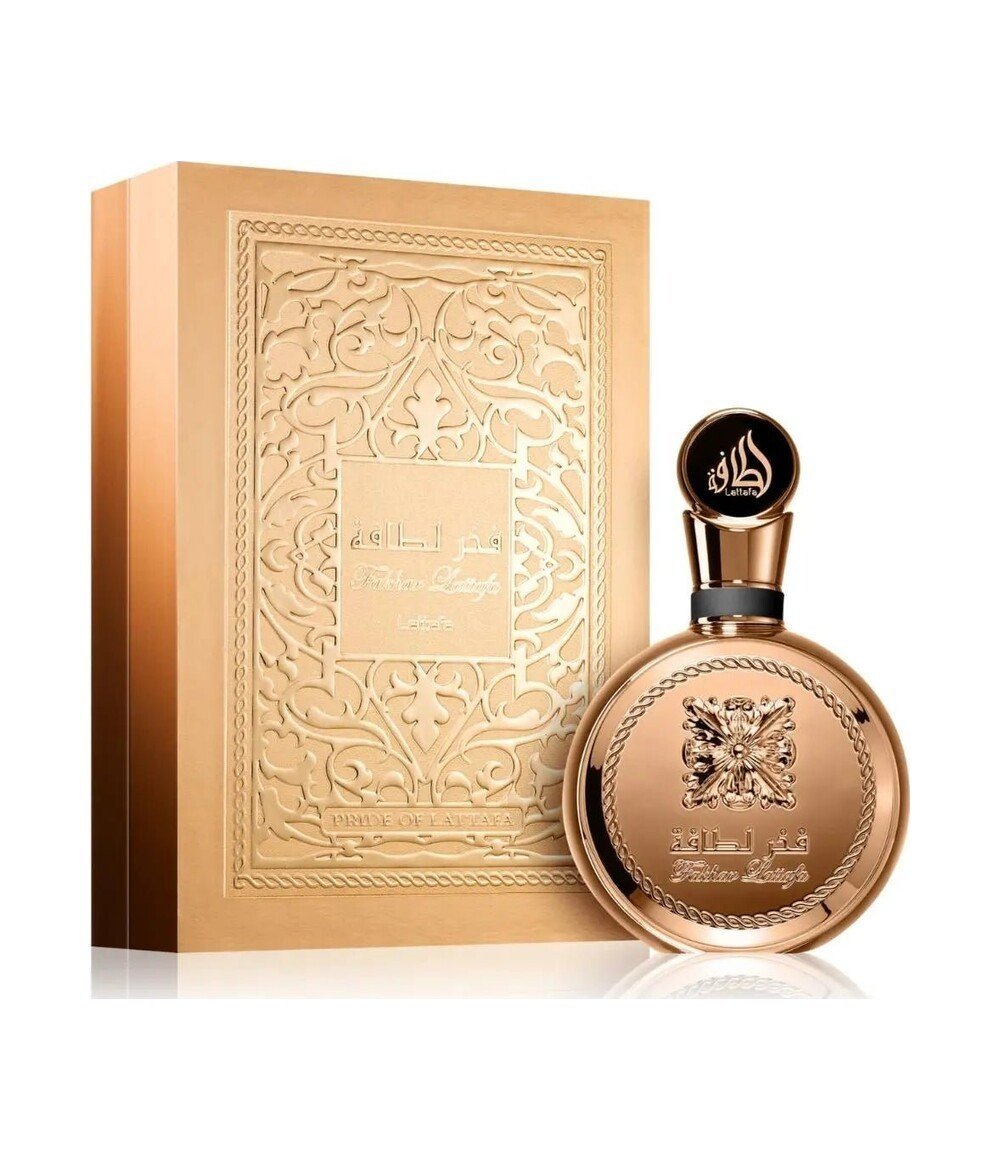
Lattafa is popular, affordable and easy to find online, which is exactly why counterfeiters target it. There is no single giveaway that proves a bottle is fake or genuine. The most reliable approach is to stack several checks together: where you bought it, the packaging, the legal label details required in Great Britain, the batch code, the sprayer and finally the scent. This checklist walks through each one, and is honest about what each check can and cannot tell you.
The quick answer
Buy from a seller you can identify and trust, scan the security label if there is one, check that the box and bottle carry the information GOV.UK says cosmetics sold in Great Britain must show, make sure the batch codes on box and bottle match, and test the sprayer and scent. No one step is proof on its own. If several look wrong, do not use the bottle, and contact the seller.
A note on limits: we cannot authenticate a bottle from photographs, and we are not suggesting every unusual box is fake. Genuine stock can vary in packaging between markets and batches.
1. Start with where you buy
Lattafa’s own counterfeit guidance advises buying through its official website or authorised retailers only, and says it monitors marketplaces for fake products. In practice, that means being cautious with anonymous marketplace listings and social-media sellers. Before you order, look for clear company details, a returns policy and a way to contact the seller. If you buy and later have doubts, a clear returns process makes life much easier.
2. Be realistic about price
Lattafa is a value-focused house, so a low price is not suspicious by itself. What should make you pause is a price far below what established UK sellers charge for the same product, especially for newer or very popular releases. Ask yourself how a seller could be making any margin at that price.
3. Look closely at the packaging
Lattafa says genuine products use premium materials and precise wrapping, and include a security label with a QR code that can be scanned to verify the product on its official system. Counterfeits, it says, often use cheap materials, poor printing and lack a valid QR code. Check for:
- tight, neat cellophane rather than loose or wrinkled wrap
- sharp printing with no spelling mistakes, blurred logos or off-colour text
- a security label that scans and takes you to an official brand destination
- a sturdy box that fits the bottle properly
Remember that copied packaging exists, so treat a good box as one positive signal rather than proof.
4. Check the UK label details
Perfume counts as a cosmetic product in law. GOV.UK’s consumer guidance on cosmetics says products for consumers in Great Britain must have a named Responsible Person with a UK or EU address. The container and packaging should also show an identification number such as a batch number, the country of origin if the product is imported, and a list of ingredients (which may appear only on the packaging). The information must be in English and easy to read.
The same page tells buyers to be wary if there is no named Responsible Person, no UK or EU address (or only a mail-forwarding or PO Box address), or if product information is missing, minimal or poorly written. For more detail, see the government’s guide to making cosmetic products available in Great Britain.
One fair caveat: missing UK details do not prove a bottle is counterfeit, because genuine stock intended for other markets may be labelled differently. They are still a good reason to question the seller, since the product may not meet British labelling rules.
5. Match the batch codes
A batch code is a short string of letters and numbers, often printed or embossed on the base of the box and the bottle. The two should match, and neither should be missing, smudged or look stuck on. Online batch-code checkers can tell you roughly when a bottle was made, which is useful for spotting very old stock. They cannot prove authenticity, because codes can be copied, so use them as a sense check only.
6. Inspect the bottle and sprayer
Look at the glass for bubbles, rough seams or uneven finishing. The cap should fit snugly, and the sprayer should give a fine, even mist rather than dribbling or spitting. The liquid should be clear of floating particles. Be fair to genuine bottles here, though: fragrance can darken slightly with age, heat or light, so a colour change alone is not conclusive. Our guide to storing perfume properly explains what causes it.
7. Finish with the scent
Read the listed notes for that fragrance, then see whether what you smell is in the right ballpark and whether it develops over the hours that follow. Fakes are often described as sharp, alcoholic or quick to fade, but scent is the weakest test on its own: batches of genuine perfume can differ a little, and everyone’s skin is different. If you own two bottles, our guide on comparing two fragrances fairly shows how to test side by side.
Genuine or suspect? A quick checklist
| Check | Reassuring | Warning sign |
|---|---|---|
| Seller | Identifiable business, clear returns policy | Anonymous seller, no contact details |
| Price | In line with reputable UK retailers | Far below the going rate |
| Packaging | Neat wrap, sharp print, scannable security label | Loose wrap, blurry print, no valid QR code |
| UK label | Responsible Person with UK or EU address, batch number, ingredients, English | No Responsible Person, PO Box only, missing information |
| Batch code | Matches on box and bottle | Missing, mismatched or smudged |
| Sprayer | Fine, even mist; snug cap | Dribbles, loose cap, rough glass |
| Scent | Matches the expected profile and evolves | Harsh, thin or fades very quickly |
What to do if you think you have a fake
- Stop using it if it irritates your skin, and keep the box, bottle and receipt.
- Contact the seller with clear photos and ask for a refund or replacement.
- Report it to Lattafa. Its guidance invites reports that include the seller’s name or link and photos of the product and packaging, including the QR label.
- Tell Trading Standards via the Citizens Advice consumer service if the seller will not help or the product seems unsafe. You can also check the government’s product safety alerts, reports and recalls.
For Lattafa’s own advice, see its counterfeit guidance page.
Frequently asked questions
Can a batch code prove my Lattafa is real?
No. A valid-looking code is one useful signal, but codes can be copied. Combine it with the other checks.
Does genuine Lattafa have a QR code?
Lattafa’s guidance says genuine products carry a security label with a QR code for verification. If yours has no such label, ask the seller why.
Is a cheap Lattafa automatically fake?
No. Lattafa is an affordable brand. The warning sign is a price well below what reputable UK sellers charge for the same item.
Can genuine bottles smell slightly different from batch to batch?
Reviewers sometimes report small differences between batches, so a minor difference is not proof of a fake. A harsh, thin or very short-lived scent combined with other red flags deserves a closer look.
Are fake perfumes safe to wear?
Lattafa warns that counterfeits may use untested ingredients and can pose health and safety risks. If you notice irritation, stop using it.
Shopping with confidence
Whatever you buy, keep the packaging until you are happy with it. If you have a question about an order from us, please contact us and see our refund and returns policy. New to the brand? Start with our beginner’s guide to Lattafa or browse the Lattafa collection.
Comments
One response to “How to Spot Fake Lattafa Perfume: A UK Buyer’s Checklist”
[…] Next steps: compare the Khamrah family, explore the Yara range, see our best Lattafa perfumes for men, or learn how to spot a fake Lattafa. […]